


I'm Abdel, a McDonald's crew member. Sooner or later, most people who serve the public meet someone who is rude, and it can be hard not to take it home with you. I have learned that staying steady helps you as much as it helps the guest.
Procedures for difficult guests, safety, and reporting may vary by market, franchise organization, and restaurant. Know your restaurant's approach. Your safety comes first, and you are never expected to accept threats or abuse.
Why rudeness hurts so much
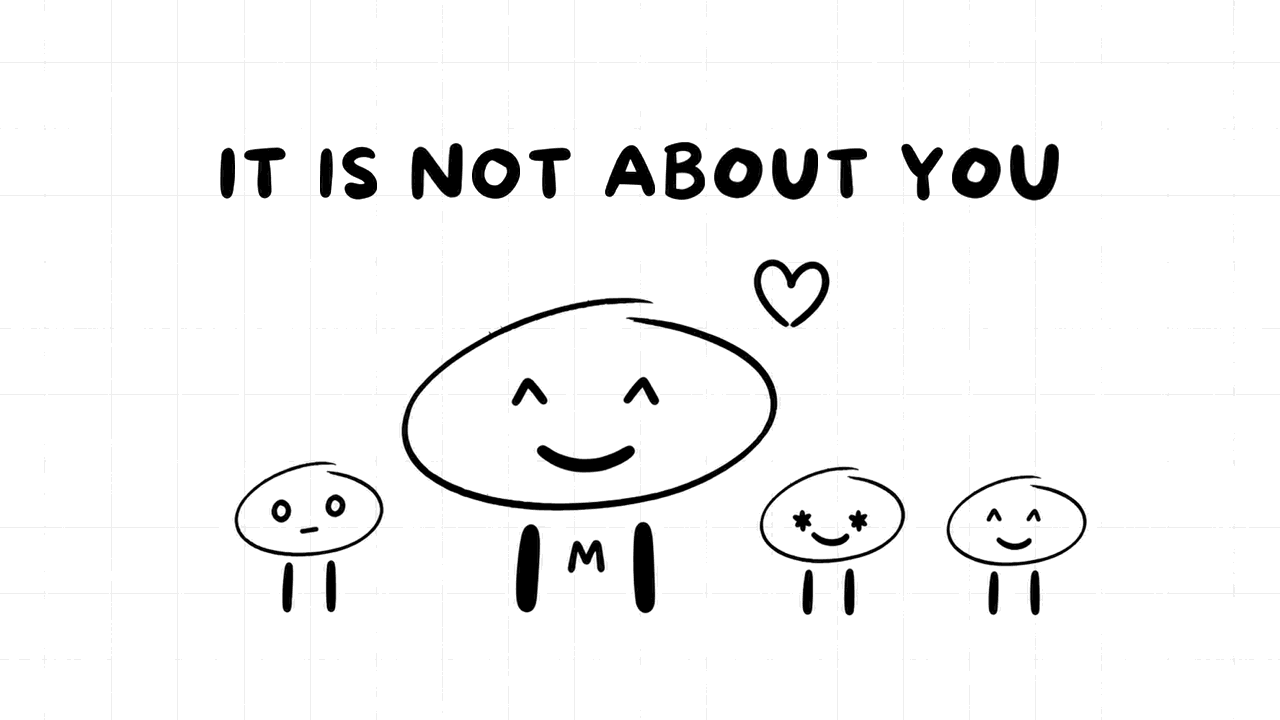
When someone is rude to you, your body may react as if you are under attack. Your heart beats faster, and your thoughts narrow. That is why calm can be so difficult. It is also why it helps to have a plan before it happens.
Often, the guest's anger has little to do with you. They may be late, stressed, or embarrassed, or they may have had a terrible day. That does not excuse rude behavior, but remembering it can stop you from feeling that the attack is personal.
Steady yourself first
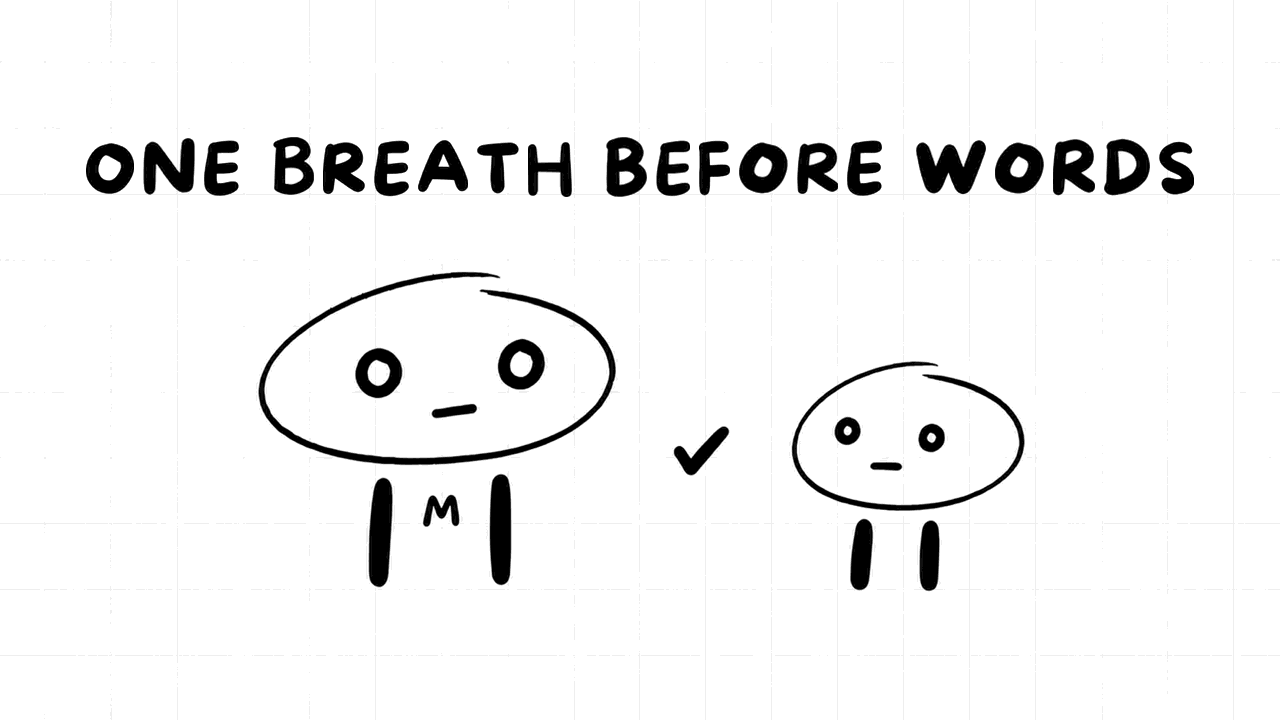
You may have only a second or two, but that is often enough:
- Take one slow breath. It helps your voice stay even.
- Relax your shoulders and hands. Your body language can calm the moment or add to it.
- Lower your voice slightly. Matching their volume usually raises the tension.
- Stay focused on the problem. What do they actually need?
Try not to answer immediately. A short pause can stop you from saying something that you might regret.
What you can say
Short, calm sentences usually work best. Try one of these:
I'm sorry about that. Let me see what I can do to help.
I'd like to help you with this. Can you tell me what happened?
I understand you're frustrated. Let me get my manager so we can sort this out.
Avoid phrases that may add fuel to the fire:
| Avoid | Why |
|---|---|
| "Calm down." | It rarely calms anyone |
| "That's not my fault." | It sounds like you are arguing |
| "You're being rude." | It turns the problem into a fight |
| "That's the policy." | It can sound dismissive by itself |
| Eye-rolling or sighing | People notice it instantly |
Separate the problem from the behavior
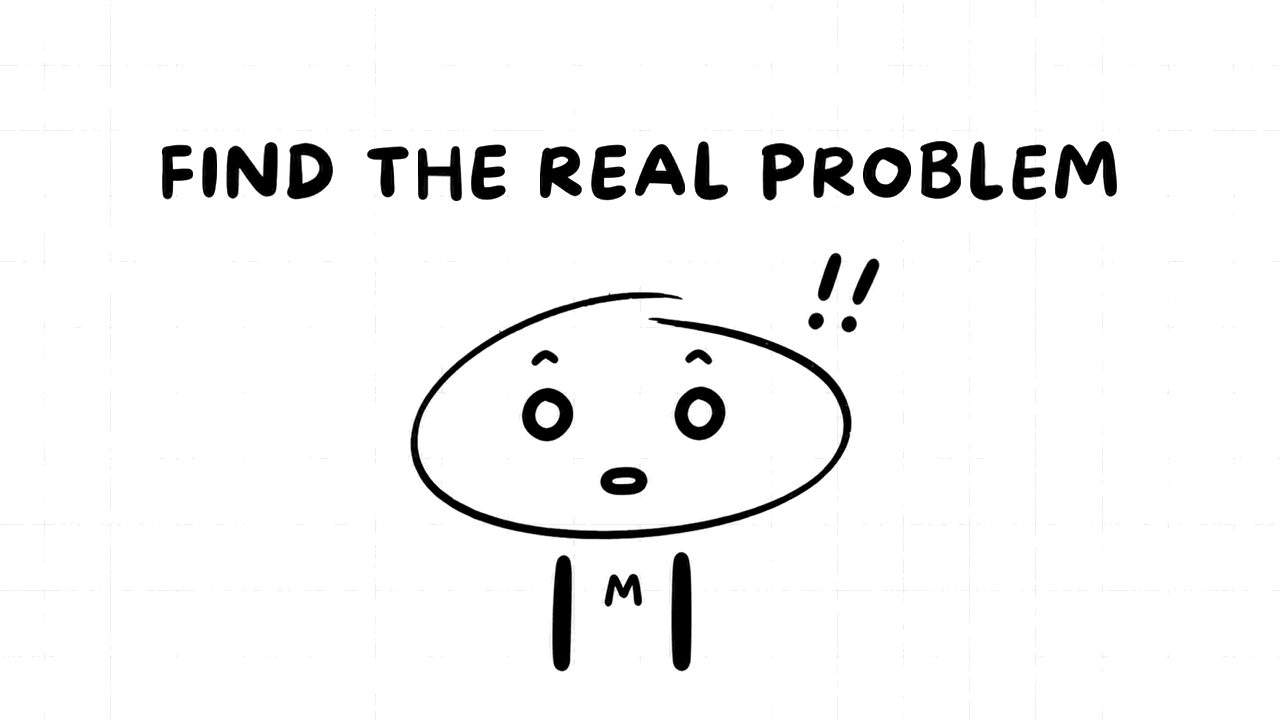
If the guest has a real issue, such as a wrong order, address it. Listen, apologize where appropriate, and fix what you can. Many guests calm down once they see that someone is actually trying to help. This guide to handling complaints walks through the steps.
Even if the guest is impolite, the concern may be valid. You can focus on the order and leave the insults aside. Sometimes all it takes to shift the tone is showing that you are taking it seriously.
When to involve a manager
You do not have to handle it alone. Get your manager when:
- You are unable to fix the problem yourself.
- The guest is asking for a manager.
- The guest continues to raise their voice or insult you.
- You feel too upset to continue calmly.
- Other guests or team members are being affected.
Asking for help is not failure. Calmly say, "Let me get my manager to help you," and do so. It is also fine to quietly tell a teammate what is going on, so that someone else can help.
When rude becomes unacceptable
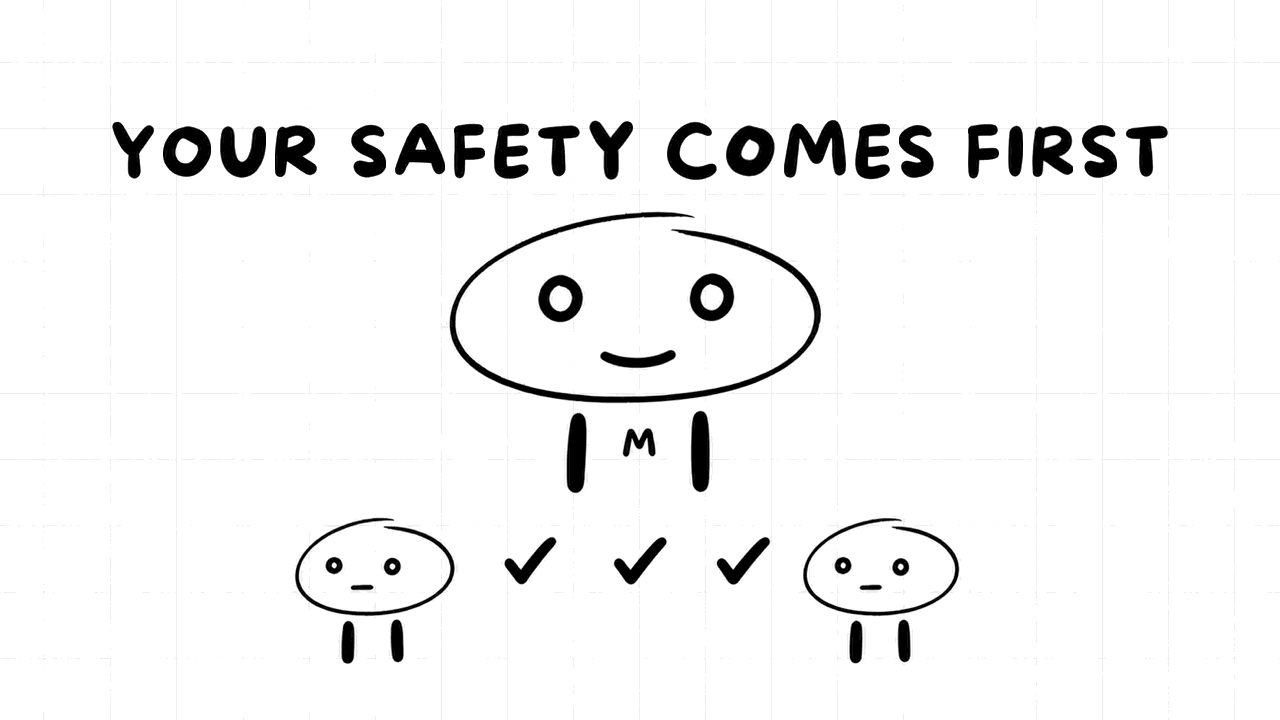
There is a line between a rude guest and an unsafe one. Threats, physical aggression, harassment, or hateful comments about your identity go beyond normal rudeness. In those situations:
- Move to a safe distance, and put a counter between you and the guest, if you can.
- Get your manager straight away.
- Do not argue, chase, or physically get involved.
- Follow your restaurant's procedures, including contacting emergency services if necessary. Your manager will often lead this, but do not wait if someone is in immediate danger.
- Report what happened afterward, using your approved process.
You have every right to feel safe at work. Being a good team member does not mean accepting abuse.
Do not get drawn in
It can be tempting to answer back, or to get revenge in small ways. Please do not. It can get you into trouble, and it makes the situation worse for everyone. Also avoid:
- Tampering with food or service. Never do this.
- Posting about the guest or the incident on social media, particularly if there is any identifying information.
- Filming the guest yourself, unless your manager and restaurant guidance say otherwise.
If you feel that you have been treated unfairly, tell your manager instead.
After it happens
A rude moment can stay with you long after the guest has left. Some things can help:
- Take a few breaths, or get some water if you can.
- Tell your manager or a trusted teammate what happened.
- If you need a moment, ask for one: "Could I take a minute before going back?"
- Do not replay it again and again. Try turning your attention to the next guest, who probably has done nothing wrong.
If a difficult interaction keeps bothering you, take it seriously. Talk to someone you trust outside of work as well. These ideas for managing stress can also help you recover.
Practice before you need it
If you tend to freeze or react quickly, it can be helpful to practice. Pick one sentence you can use every time, like "Let me see what I can do to help." When your mind goes blank, you will have it ready. You could also ask a trusted Crew Trainer or manager how they deal with difficult guests. Watching someone stay steady is one of the best ways to learn.
Your ability to stay calm under pressure may also come in handy elsewhere, and in interviews for roles like Guest Experience Leader you may well be asked about it.
You can also rehearse the moment in your head before a shift. Picture a guest raising their voice, and imagine yourself answering slowly and evenly. It can make the real thing feel less sudden.
When the guest does have a fair complaint, it also helps to know how to apologize sincerely.
Final thoughts
Staying calm with a rude guest does not mean that you deserve to be treated that way. It means that you are choosing how you respond, for your own sake and for the people around you. Breathe, keep your voice steady, address the real problem, and ask for help early.
A guest can bring their bad day to your counter. You do not have to carry it home.


