


I'm Alex. I started as a crew member, later worked as a Crew Trainer and Guest Experience Leader, and now work as a McDonald's Shift Manager with more than five years of management experience. I have experienced workplace pressure in every role, although the source changed as my responsibilities grew. As a crew member, I worried about keeping up. As a manager, I also have to notice when the whole team is approaching overload.
This article offers general workplace strategies, not medical advice. Persistent, severe, or concerning symptoms should be discussed with a qualified health professional or the appropriate support resource available to you.
Recognize your signs of stress
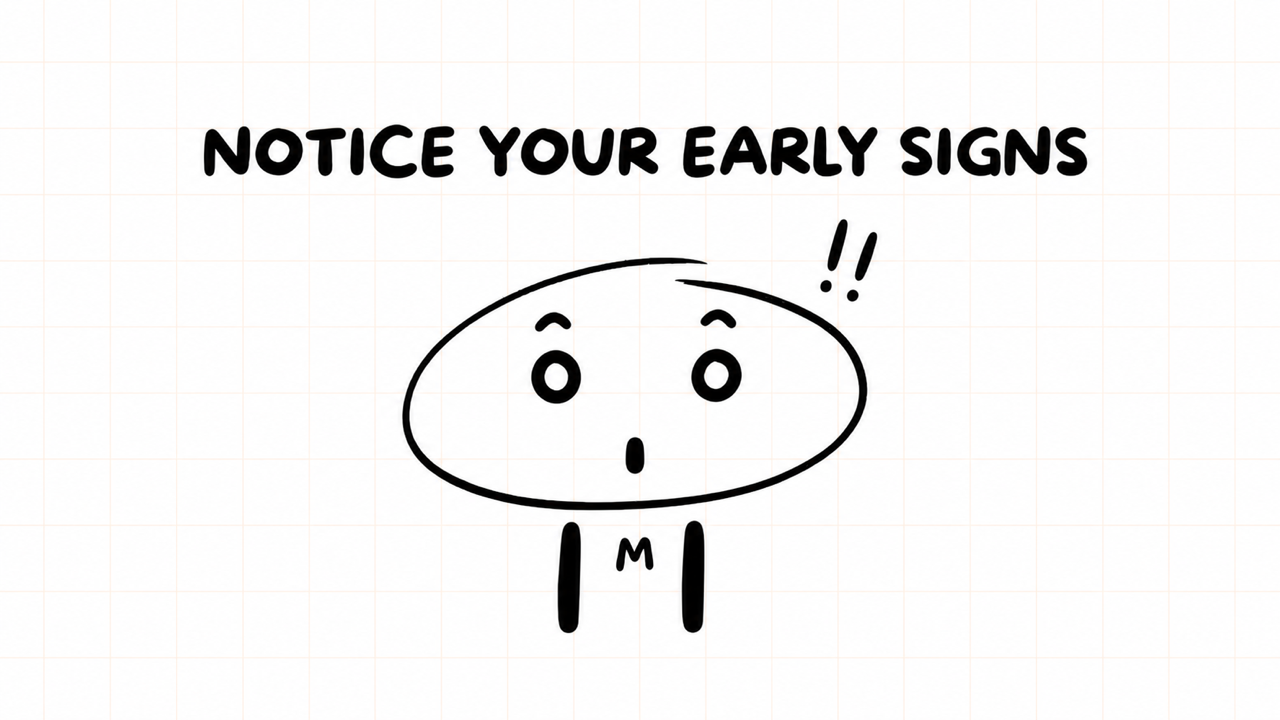
Stress can appear physically, mentally, or behaviorally. People may experience it differently. Possible signs include:
- Tense shoulders or headaches.
- Difficulty concentrating.
- Irritability or impatience.
- Feeling overwhelmed by routine decisions.
- Trouble relaxing after a shift.
- Changes in sleep or energy.
- Avoiding communication or calling out more often.
One sign does not automatically identify a serious problem, but patterns deserve attention. For me, tense shoulders and a shorter tone are early warnings. What changes first for you? Noticing the pattern early gives you more options than waiting until communication or performance is affected.
Use a brief reset during the shift
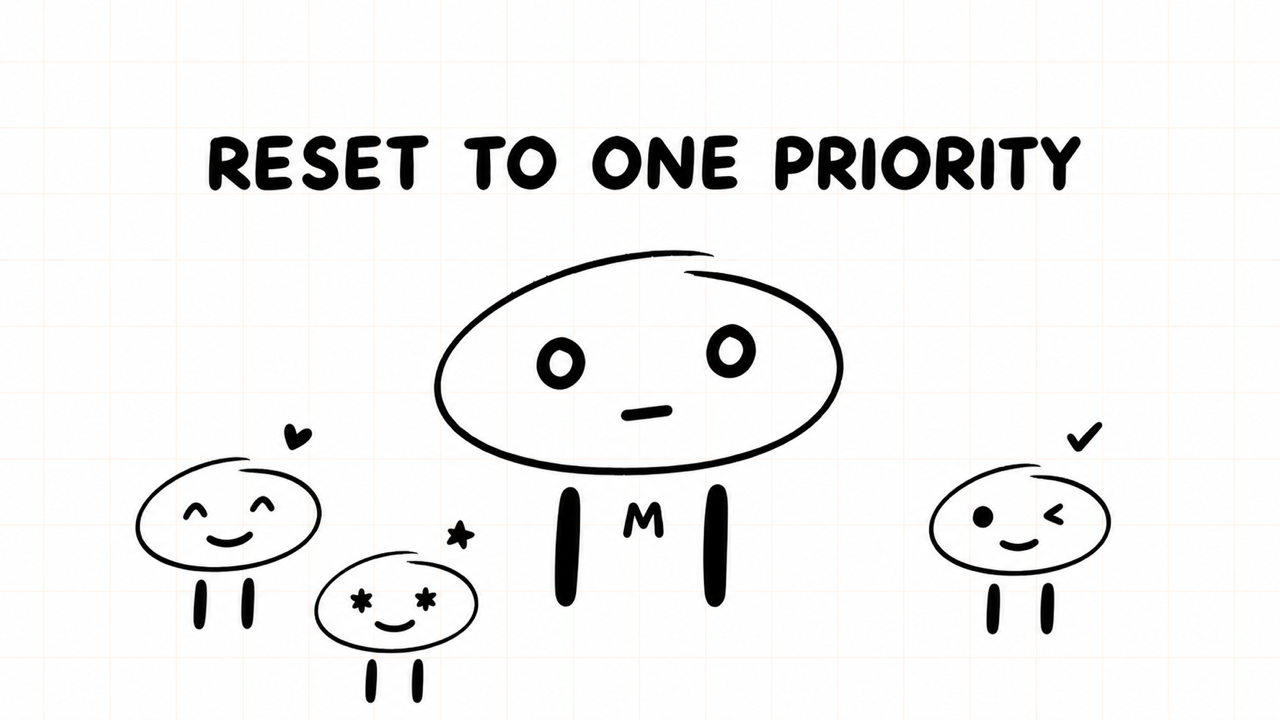
When the restaurant is busy, a long break from the situation may not be immediately possible. A short reset can still help. It is not dramatic; it is simply a way to bring your attention back to the next safe action.
- Take one or two slow breaths.
- Identify the single most important immediate task.
- Confirm the priority with the Shift Manager if it is unclear.
- Complete that task before mentally taking on every other problem.
Crew members should not leave a position without communicating or ignore an urgent safety responsibility. The purpose of the reset is to regain focus, not step away without a handoff.
Ask for help early
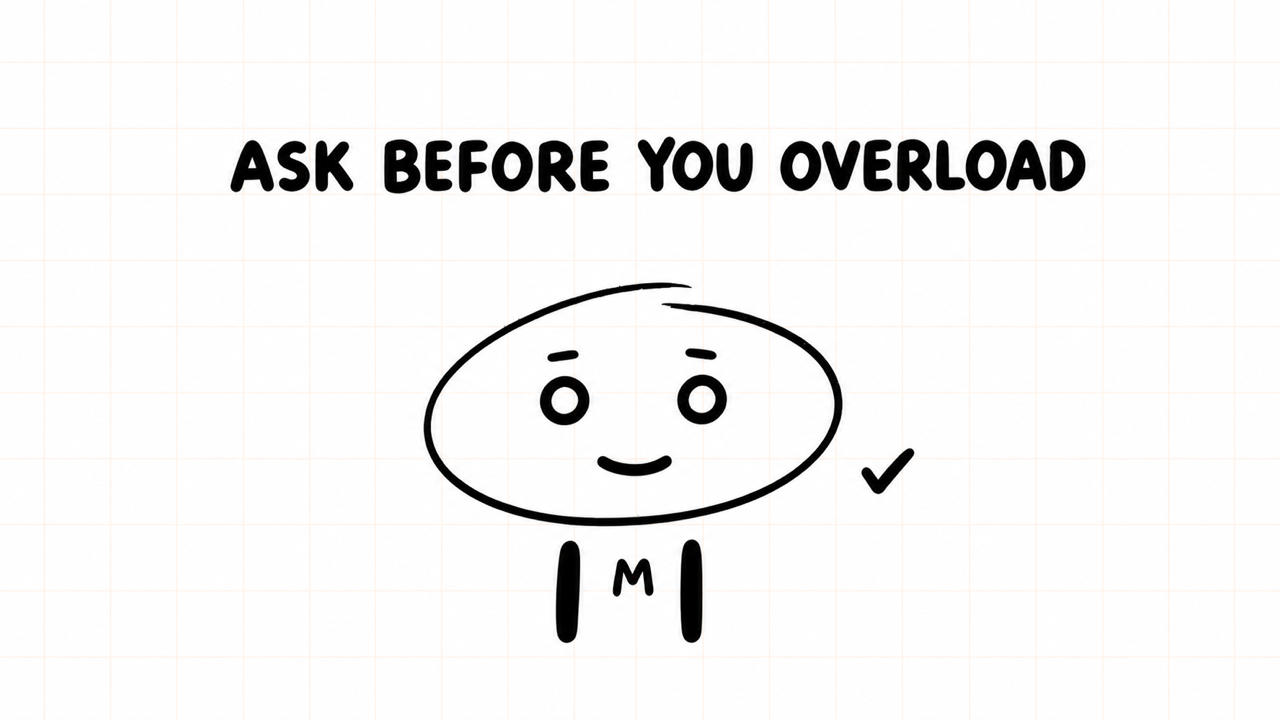
Trying to hide overload can make a shift more difficult. I have seen crew members struggle quietly because they thought asking for help would look weak. Usually, the opposite is true. If orders are accumulating, a station is becoming unsafe, or you no longer understand the priority, communicate clearly.
Useful statements include:
- "I need support clearing this position safely."
- "I have two urgent tasks. Which should I complete first?"
- "I am not trained on that station. Where else can I help?"
- "I need a brief check-in when the rush slows down."
Managers should respond without embarrassing the person. Asking for help is part of teamwork, especially when the request protects safety or accuracy. Clear wording makes that easier; my communication guide for McDonald's managers includes practical ways to set priorities and listen under pressure.
Take your scheduled breaks
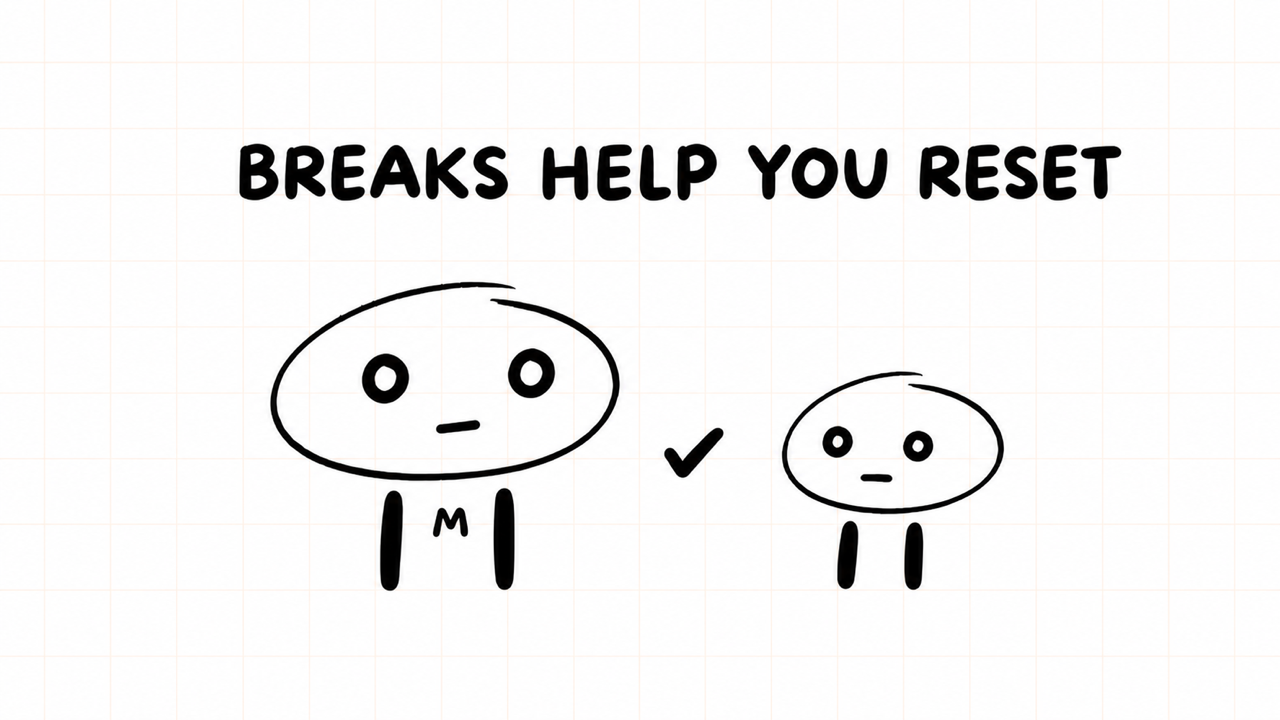
Break requirements and timing vary by location and applicable law. Follow the schedule and local process. If a break is delayed by an urgent situation, the manager should communicate the revised plan rather than allowing it to be forgotten.
Use break time to step away from the immediate work area, hydrate, eat if appropriate, and allow your attention to reset. Avoid spending the whole break reviewing work problems unless a serious issue requires it.
Use movement and breathing appropriately
Simple breathing and gentle movement may help some people release tension. During an authorized break, I may stretch or take a short walk in an appropriate area.
Do not perform stretches near hot equipment, moving equipment, wet floors, or food-preparation areas. Workplace safety still applies.
Improve time management
Stress often increases when every task feels equally urgent. When everything feels important, start by separating what is truly immediate. I use three questions:
- Is there a safety or food safety concern?
- Is a guest or team member waiting for an immediate response?
- Which task will have the greatest operational effect if delayed?
After the priority is clear, I communicate it and delegate where appropriate. As a Shift Manager, I also need to avoid creating stress by changing direction repeatedly without explaining why.
Build reliable routines
Approved routines reduce the number of decisions required during a busy period. Position setup, restocking, cleaning schedules, shift briefings, and handoffs all make the team more prepared.
Routines should not become inflexible. When demand changes, the manager may need to adjust the plan. The benefit is that the team begins from a shared structure rather than improvising every step.
Talk with the team after difficult periods
A short, respectful debrief can prevent team members from carrying confusion into the rest of the shift. The discussion can cover what happened, what helped, and what should change next time.
Avoid turning a debrief into public criticism. Personal performance or conduct concerns should be addressed privately through the appropriate process.
Support recovery outside work
Healthy recovery looks different for different people, but general habits may include:
- Maintaining a regular sleep routine where possible.
- Eating balanced meals and staying hydrated.
- Engaging in physical activity appropriate for your health.
- Spending time with family, friends, or supportive people.
- Making time for hobbies and activities unrelated to work.
- Setting boundaries around work communication when you are off duty, according to your role and local expectations.
I find it helpful to create a transition after a shift. That may be a walk, music, a meal, or a quiet activity that signals the workday is complete. The habit does not erase a hard shift, but it keeps the shift from occupying the entire evening.
Know when everyday strategies are not enough
Stress-management techniques are not a substitute for professional support. If stress is persistent, affects sleep or daily life, or creates concern about your well-being, consider speaking with a qualified health professional.
If the stress is connected to harassment, unsafe conditions, scheduling, or another workplace issue, use the appropriate restaurant, franchise, human resources, or legal reporting process available in your location.
In an immediate emergency, contact the relevant emergency service or local crisis resource.
What managers can do
Stress is not only an individual responsibility. Managers influence the work environment through positioning, communication, breaks, fairness, training, and the way they respond to mistakes. New crew members can feel this especially strongly; my first-impression guide for new McDonald's crew members explains how preparation and good questions can reduce some early uncertainty.
As a Shift Manager, I try to:
- Give clear priorities.
- Avoid unnecessary last-minute changes.
- Make break plans visible and follow up.
- Rotate demanding positions where practical.
- Recognize when a crew member needs support.
- Address disrespectful behavior.
- Debrief difficult shifts without blame.
- Escalate staffing or safety patterns that cannot be solved on one shift.
Final thoughts
Restaurant work will sometimes be stressful. The goal is not to pretend pressure does not exist. It is to recognize it, communicate early, use safe coping strategies, and address the operational conditions that can be improved.
Crew members, Crew Trainers, GELs, and managers all experience pressure differently. A strong restaurant team makes it acceptable to ask for help and treats stress as information rather than a personal failure. Notice it early. Name the priority. Ask for support when you need it.


