


I'm Abdel, a McDonald's crew member. A greeting takes only a moment, but it often sets the tone for everything that follows. I have seen how much a warm hello can change a visit.
Scripts, service standards, and guest areas may vary by market, franchise organization, and restaurant. Follow your restaurant's guidance. The ideas here are general ways of bringing warmth to whichever approach you have been taught.
Why the first few seconds matter
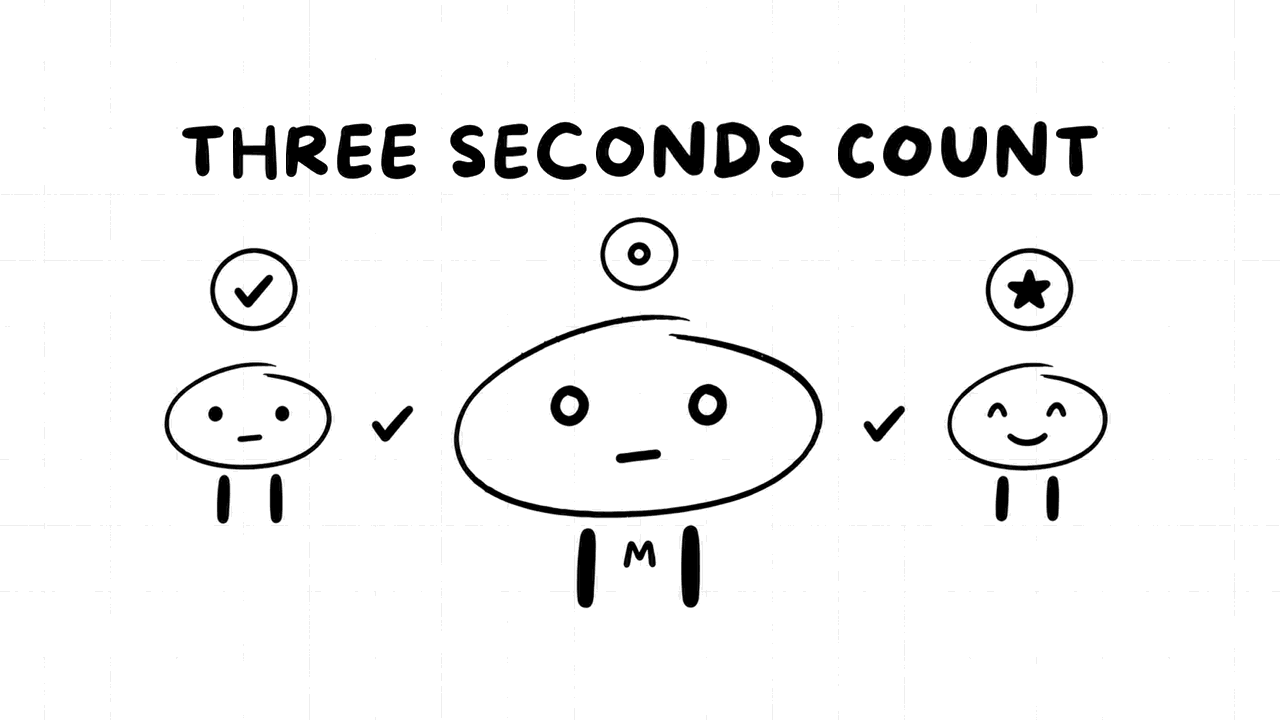
Guests are often busy, tired, or thinking about something else. A warm greeting tells them that they have been noticed and that someone is ready to help. It can also make a wait feel shorter and make a small problem easier to handle.
A greeting does not have to be long or clever. It only needs to feel like it comes from one person speaking to another. This is one of the simplest ways to raise customer satisfaction without making any other change at all.
What a good greeting includes
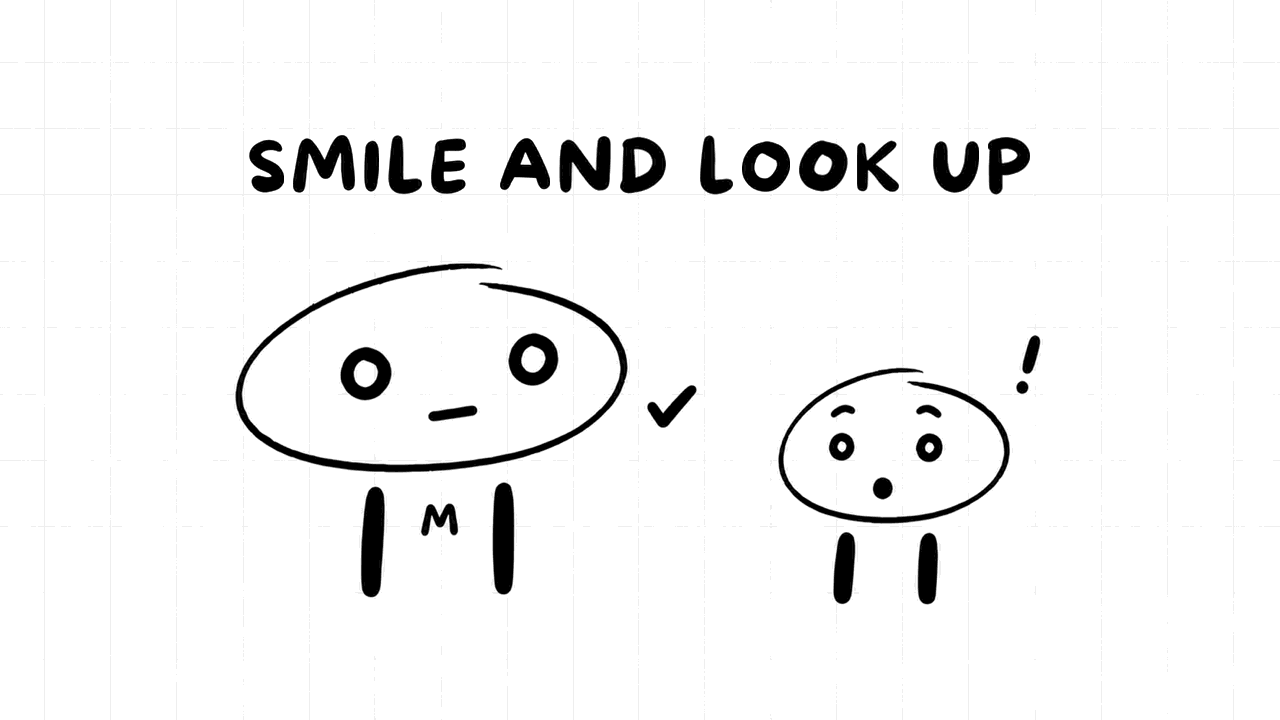
Most good greetings have a few simple parts:
- Look up. Eye contact, in a way that feels natural and respectful.
- Show friendliness in your face. A relaxed smile goes a long way.
- Speak clearly. Guests should not need to ask you to repeat yourself.
- Offer help. Let them know what comes next.
Here are some examples:
Hi, welcome in. What can I get for you today?
Good morning. How are you doing today?
Hi there. I'll be right with you.
Your restaurant may have its own preferred wording, so follow that. But even a required phrase can sound warm if you say it as though you mean it.
Your voice and body language
Guests often respond more to how you say something than to the words. The same words can sound very different:
| Comes across as cold | Comes across as warm |
|---|---|
| Talking while looking at the screen | Looking up first, then talking |
| A flat, tired tone | A calm, friendly tone |
| Saying "Next" | Saying "Hi, I can help you here" |
| Folded arms or leaning | An open, ready posture |
| Speaking very fast | Taking a moment at a normal pace |
You do not need to act like someone else. A quiet, kind greeting is better than a loud, forced one. Find a way that feels true to you.
Greeting guests during a rush
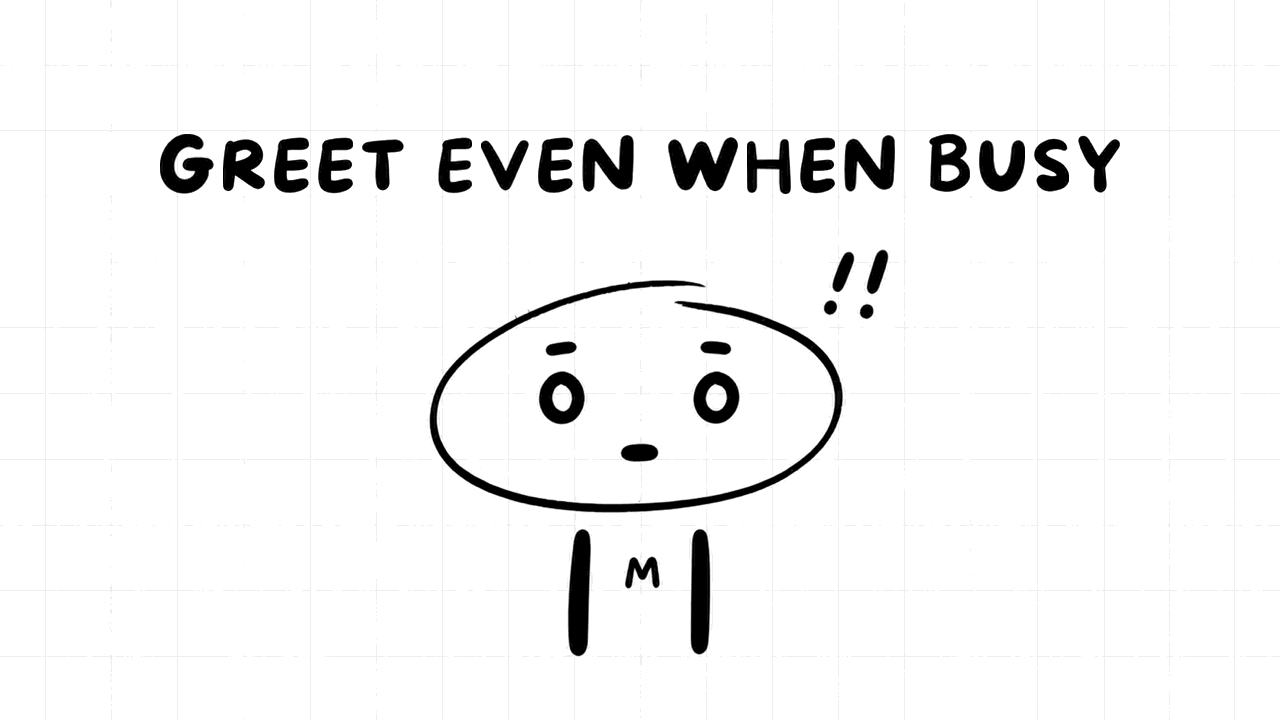
The busiest moments are often when greetings disappear, and when guests need them most. You may not have time for a conversation, but you do have time to acknowledge someone:
- Make eye contact and nod while you finish a task.
- Say, "I'll be right with you."
- Thank them for waiting when you are ready: "Thanks for waiting. What can I get for you?"
These few words can change how someone feels about a long line. People tend to accept a wait far more easily when they know they have been seen.
At the drive-thru and other places
Your greeting has to adapt to the situation:
- Drive-thru. The guest cannot see you, so your voice has to do the work. Speak clearly and sound friendly, and give them a moment to get ready. This guide to making a strong first impression has related ideas.
- Kiosks. A guest using a kiosk may still appreciate a quick "Let me know if you need any help."
- Dining area. If you are cleaning tables, a brief hello or smile makes you look approachable, not invisible.
- Delivery drivers. A greeting shows respect to them, too.
Adapting to different guests
Not everyone wants the same thing. A rushed commuter may want a quick, friendly hello. An older guest might enjoy a little conversation, if you have time. A family may need a moment to organize. Some guests may not speak your language well, or may have difficulty hearing.
Pay attention and adjust. Speak clearly, keep your manner kind, and avoid assumptions about someone based on how they look. Treat a regular guest with extra warmth if you recognize them. "Good to see you again" can make someone's day, without your needing to remember anything personal.
When you do not feel like greeting anyone
Everyone has hard days, and long shifts can make your friendliness run low. Some small ideas may help:
- Take a slow breath before you look up.
- Think of the greeting as a short reset, not as a performance.
- Remember the guest did not see the rush you just went through.
- Use your break properly, if you can.
It may also be worth a quiet chat with your manager.
Common greeting mistakes
- Greeting with a question about payment or a task first. Say hello first.
- Talking to a teammate while serving. The guest feels like an interruption.
- Using the same flat line with everyone. Try to pay attention to the person in front of you.
- Being overly familiar. Avoid personal comments about a guest's appearance or family.
- Ignoring guests because they are not "your" guest. If you are nearby, acknowledge them.
Build it into a habit
Like most skills, greeting gets easier with practice. Try picking one focus each shift: looking up before you speak, or greeting everyone within a few seconds of their arrival. Notice how guests respond. Over time, it will stop feeling like something you have to remember.
Your greeting is also a skill you can use elsewhere. People who lead the guest experience rely on the same habit, and any future employer will value it.
Greeting guests who need extra help
Some guests may need a little more from you. A person using a wheelchair, a parent with a stroller, or a guest with a visual impairment may appreciate an offer of help. Ask first rather than assuming: "Is there anything I can help you with?" Then respect their answer, and speak to them directly. Not everyone will want help, and that is fine. A friendly offer is usually enough.
Some guests may need a little more support, and this guide explains serving guests with accessibility needs respectfully.
Final thoughts
You will greet many people in a single shift, and most of them will forget you by the time they reach their car. But the way you made them feel in those first few seconds may stay with them through the rest of the visit.
Look up, smile if you can, and let them know you are glad they came in. It takes only a moment.


