


I'm Abdel, a McDonald's crew member. A short, honest apology can do more than most people expect, especially when it is followed by a real effort to fix the problem. I have seen how quickly it can change a guest's mood.
Procedures for remakes, refunds, and escalation may vary by market, franchise organization, and restaurant. Follow your approved process, and bring in your manager when something goes beyond what you can do.
Why a real apology matters
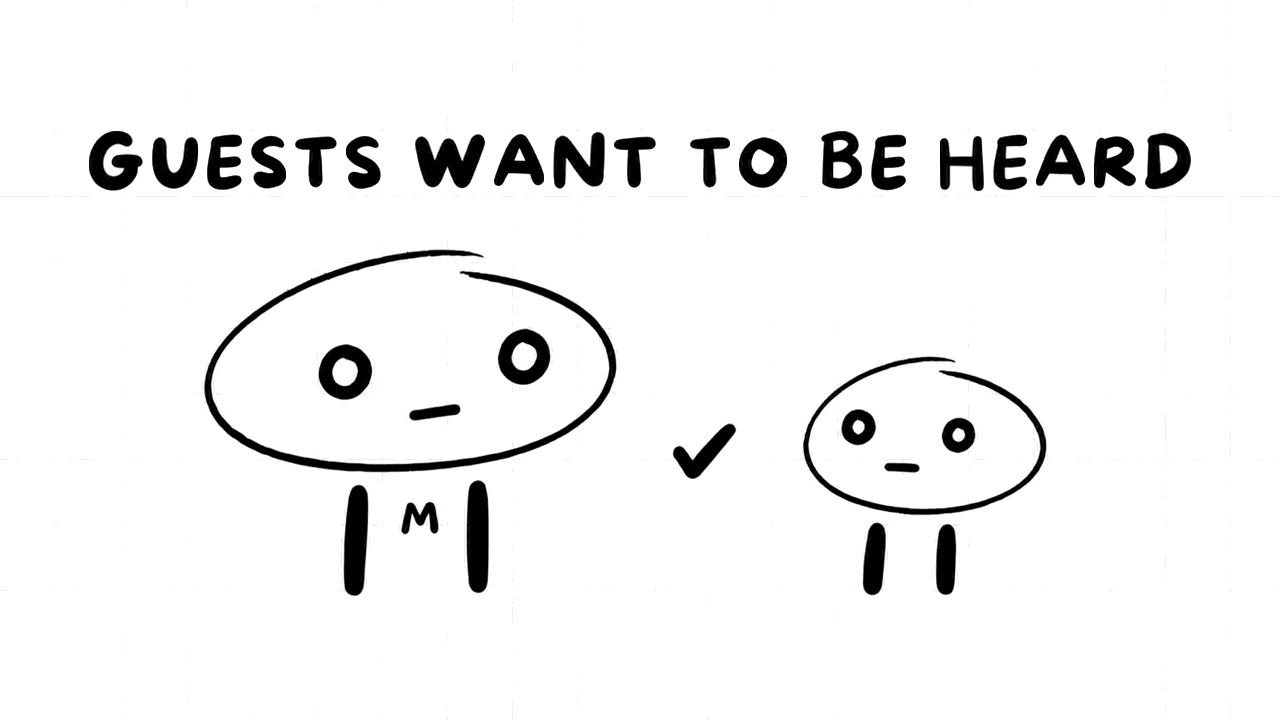
When something goes wrong, guests usually want two things: to feel heard and to see the problem solved. An apology addresses the first, and your actions address the second. Without an apology, even a good fix can feel cold. Without a fix, even a warm apology feels empty.
Apologizing does not mean you personally caused the problem. It means that you are sorry about what the guest experienced, and that you are willing to help.
What a sincere apology includes
A good apology is usually short and specific:
- Name the problem. "I'm sorry your order was missing the fries."
- Show that you understand. "I know that's frustrating when you've already driven away."
- Say what you will do. "Let me get that fixed for you right now."
- Thank them, if it fits. "Thank you for letting us know."
Together, it might sound like this:
I'm so sorry your order was missing the fries. That's frustrating, especially when you were on your way home. Let me get those for you right now. Thank you for coming back and letting us know.
Say it in your own words, as long as it stays polite and fits your training.
What makes an apology sound fake
Sometimes the words are correct, but it still sounds hollow. Here is what might be happening:
| Problem | What the guest hears |
|---|---|
| Saying "Sorry" without looking up | "This is just a routine." |
| "Sorry, but it's really busy today." | "It's your fault for coming now." |
| "I'm sorry you feel that way." | "Your reaction is the problem." |
| "That's not my station." | "You are not my responsibility." |
| A rushed, flat voice | "I want you to go away." |
| Apologizing over and over | "I am nervous, and I don't know what to do." |
You do not need to apologize many times. Say it once and mean it, then move on to the solution.
Your tone and body language
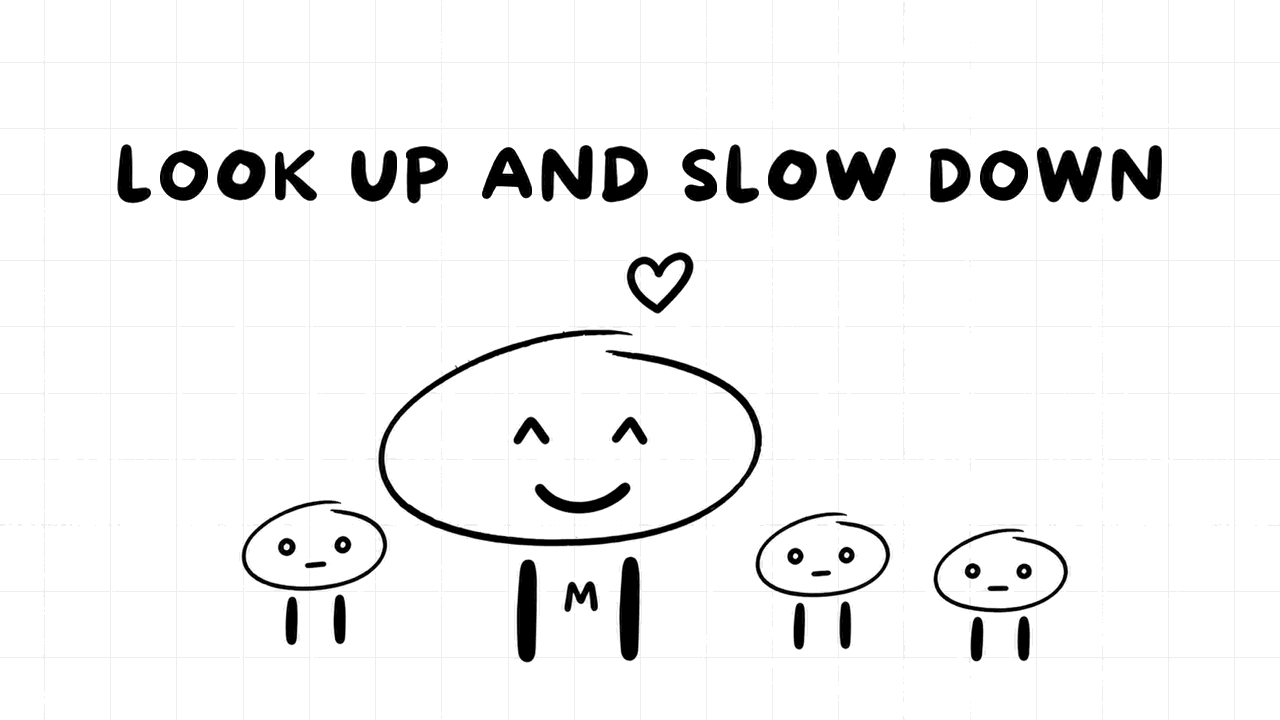
Sincerity comes across in small ways:
- Stop what you are doing, if you safely can, and look at the guest.
- Use a calm, gentle voice, not a cheerful one.
- Keep your face serious enough for the situation. A big smile can look as though you are not taking it seriously.
- Listen all the way to the end. Do not interrupt to explain.
- Nod or say something brief to show you are following.
Pay attention to your own feelings as well. If you are annoyed that you are being blamed for someone else's mistake, it can leak into your voice. Take a breath, and remember that this guest only knows that you are the person standing in front of them.
Pair it with action
Once you have apologized, move on to the fix:
- Check what happened, using the order or receipt if your process requires it.
- Offer the solution that your restaurant allows.
- Tell them what is happening and how long it may take.
- Bring in a manager for anything beyond your authority.
- Check that the new order is correct before you hand it over.
Avoid overpromising. Do not offer free items or refunds on your own unless you have been authorized to. If you do not know, it is fine to say: "Let me check with my manager so that we can get this right."
For more on the steps that usually follow, see this guide to handling complaints.
When it was not your mistake
This can be the hardest part. Perhaps the kitchen made the error, or perhaps it happened on a previous shift. Still, try not to point fingers in front of the guest. Avoid saying things like "They always mess this up in the back."
You could say:
I'm sorry that happened. Let me take care of it for you.
If there is a pattern of errors, raise it with your manager later. That is the proper place for it, not the counter.
When the guest is wrong
Occasionally, a guest may misremember what they ordered, or may be upset about something that is not a mistake at all. You can still respect how they feel without agreeing with the facts:
I'm sorry for the confusion. Let's see how we can get this sorted out for you.
There is no need to prove them wrong. Follow your restaurant's process, and bring in your manager if you are not sure what to do. Of course, an apology does not mean accepting insults or abuse. If a guest becomes abusive, step back and get your manager.
Situations that need special care
Some problems call for a more serious response:
- Allergies. If a guest reports an allergy concern or a reaction, get your manager right away. Do not make promises or guess about ingredients.
- Foreign objects or food safety concerns. Report this at once, and follow your procedures. Keep the item if your manager asks you to.
- Injuries. Take any reports of injury seriously, and get your manager immediately.
In these situations, express concern, but avoid discussing fault. Let your manager lead. It is simply a way to make sure that the right process is followed.
Keep learning from it
After you have dealt with the guest, ask yourself what could prevent it next time. Maybe orders need a closer check, or perhaps your team could communicate better during a rush. A good apology solves one guest's problem, but learning from it can prevent many more.
Strong recovery has a real effect on customer satisfaction. A guest who sees a problem handled well may leave happier than you would expect.
Share what you learned with your team without blaming anyone. A short, calm word at the right moment can help everyone to avoid the same problem on the next shift.
If a guest stays angry after you have apologized, these ideas on staying calm with a rude guest may help.
When the problem is a missing menu item, this guide on what to say when an item is unavailable offers some useful wording.
Final thoughts
A sincere apology does not need fancy words. Look at the person, name what went wrong, show you understand, and fix it. Say it once, say it calmly, and mean it.
Mistakes will happen in any restaurant. What guests remember is whether someone cared enough to make things right.


