


I'm Abdel, a McDonald's crew member. Sooner or later, everyone on a team falls behind, and how the people around them respond can shape the whole shift. I have seen how much one small offer of help can do.
Positions, training rules, and team routines may vary by market, franchise organization, and restaurant. Only help with tasks you have been trained to do, and let your manager handle positioning and performance issues.
Notice before it becomes a crisis
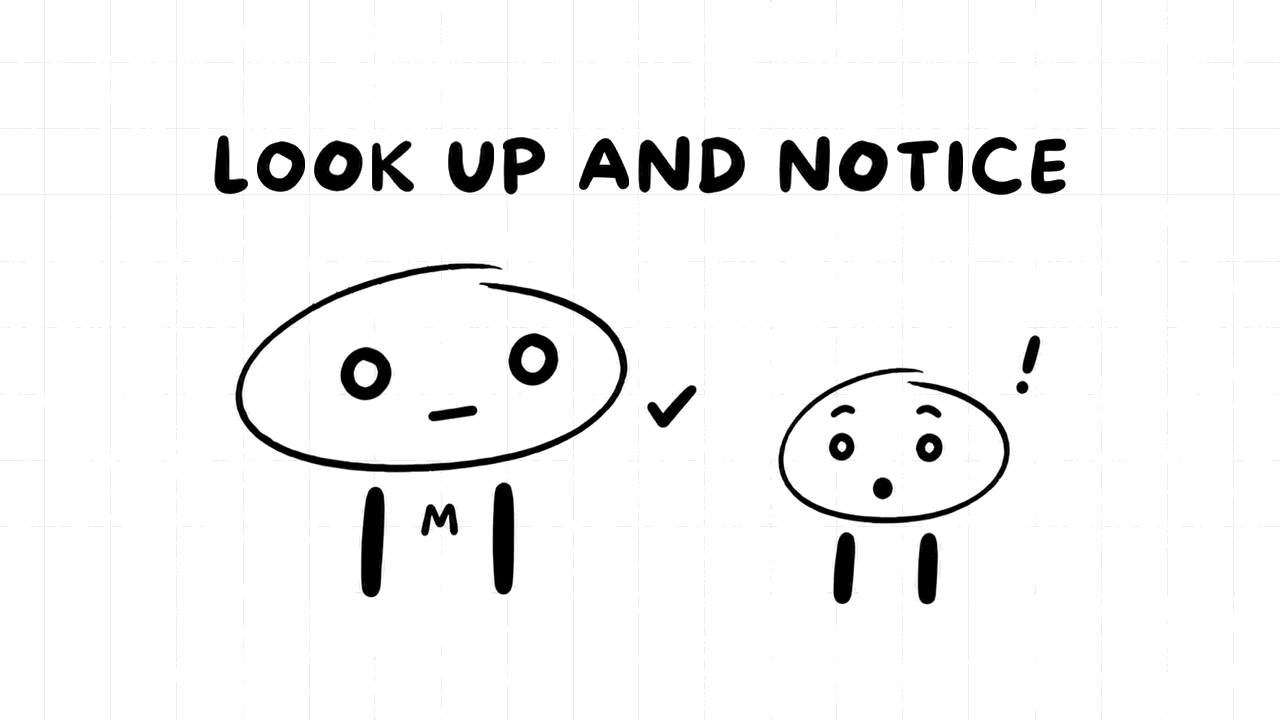
Experienced team members tend to keep an eye on more than their own station. Some signs that someone needs help:
- Orders are building up at one position.
- They keep looking back and forth, or looking at the screen with worry.
- They have gone quiet, or they seem flustered.
- They are making small mistakes that are unusual for them.
- Supplies at their station are running out, and they have no time to refill them.
Noticing this early means that a small amount of help can go a long way.
First, check your own work
Before you step in, make sure that you can actually help. Leaving your position could simply move the problem somewhere else. Ask yourself:
- Is my own station under control?
- Am I trained to help with this task?
- Do I need to tell my manager that I am moving?
If you cannot leave, you can still help. Let your manager know: "Fries are getting backed up. Could someone give them a hand?" That is not telling on someone. That is helping the shift run well.
How to offer help
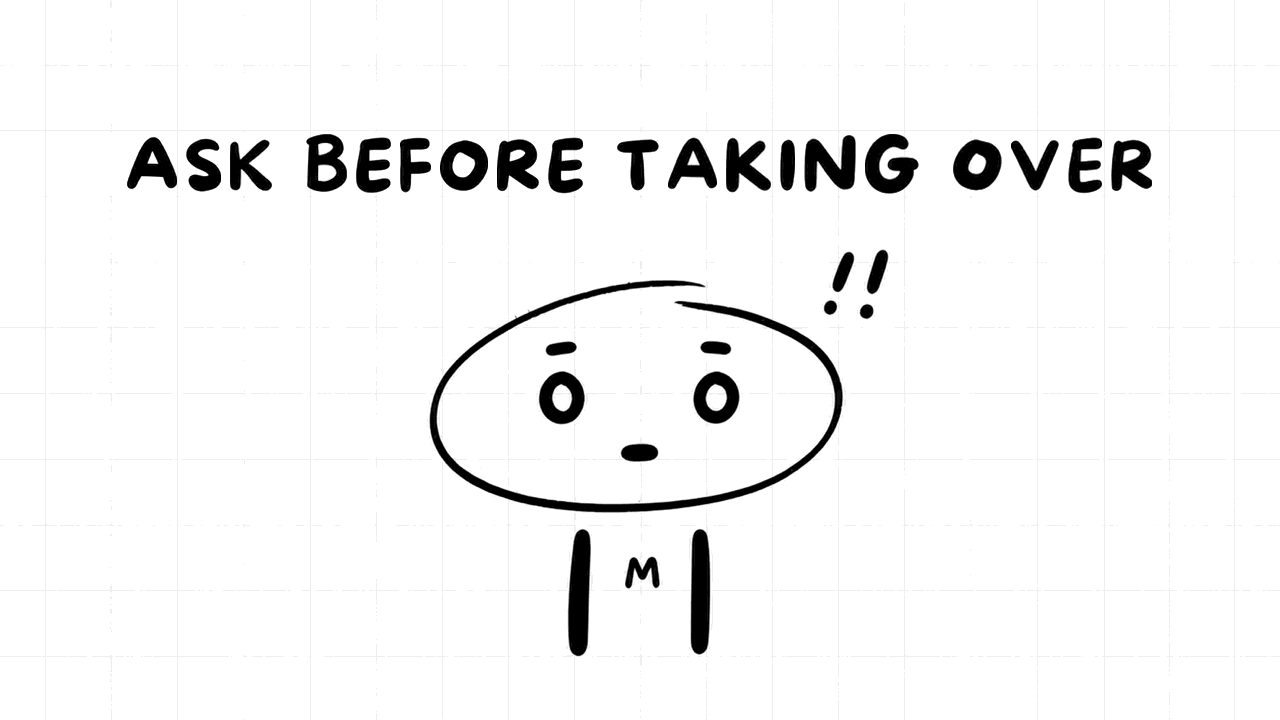
The way you offer help matters. Grabbing things out of someone's hands can make them feel worse, and it can also cause mistakes. Try something simple and specific:
| Try saying | Why it works |
|---|---|
| "What can I take off your plate?" | Lets them decide |
| "I'll grab the drinks for those two orders." | Offers something clear |
| "I've got more lids for you." | Helps without interrupting |
| "You finish that one. I'll start the next." | Keeps things moving |
Keep your voice calm and low. Avoid saying things like "Wow, you're really behind," or sighing where they can hear. They probably already know. Support them in a way that lets them keep their confidence.
Helpful things that take little time
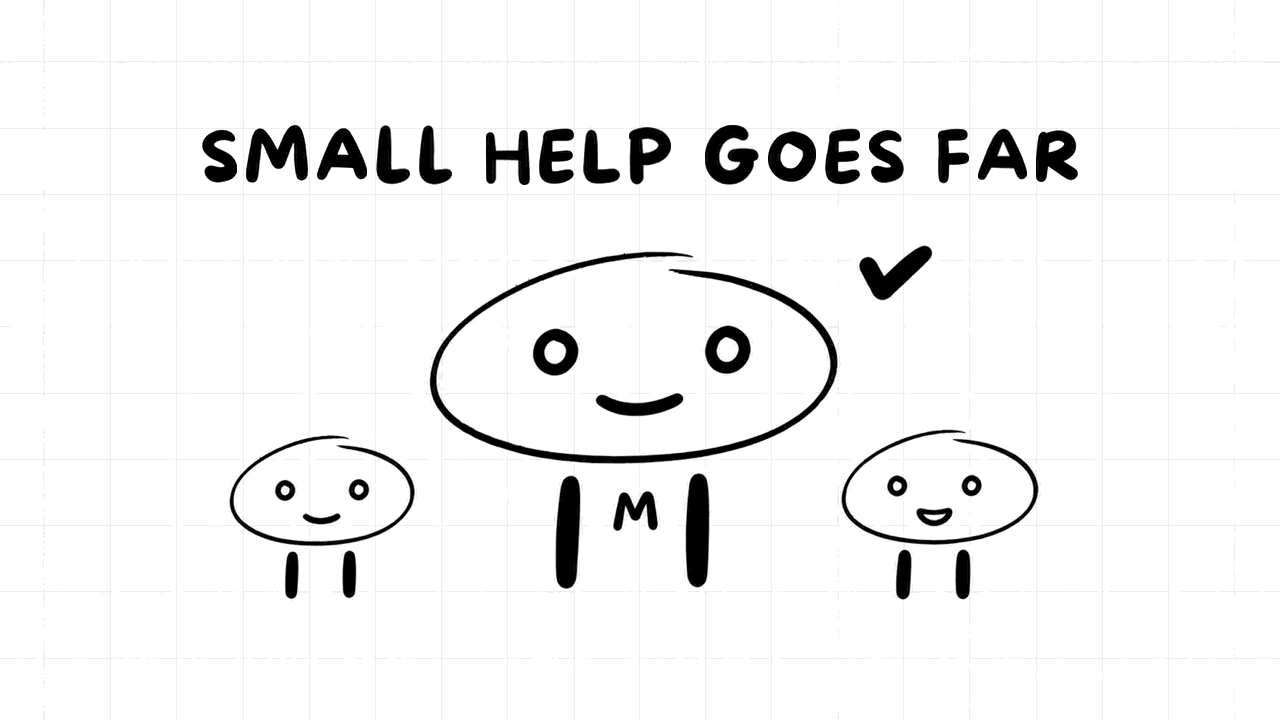
Some of the most useful support is small:
- Restock something that has run low.
- Clear finished items or trash from the workspace.
- Take over one simple, repeated task.
- Call out which order is next.
- Bring a supply from the back.
Sometimes, this is all it takes for someone to catch up. Once they have recovered, step back to your own station. Your goal is not to prove that you can do their job better. Your goal is to get the team back on track.
Do not fix it in a way that causes new problems
In a rush, it is easy for help to go wrong. Be careful about:
- Doing tasks you have not been trained for. Especially with hot equipment or food safety steps.
- Crowding the station. Too many people in one spot can slow everyone down.
- Changing their system without asking. You might undo what they have already organized.
- Giving lots of advice at once. During a rush, one tip is plenty.
- Leaving your own position without telling anyone. Now two positions have a problem.
If you can see something unsafe, say so at once, however busy it is. Safety cannot wait.
After the rush
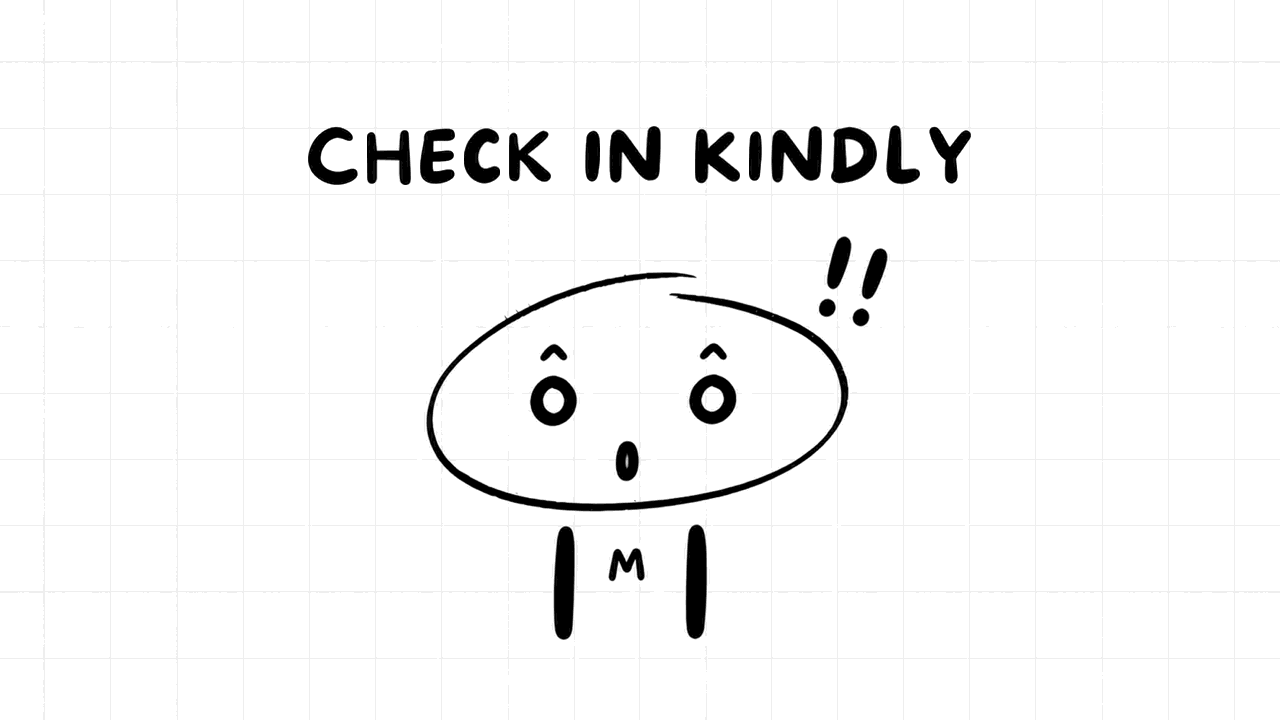
Once things have calmed down, a kind word can mean a lot:
That was a rough one. Are you doing okay? Is there anything that would make it easier next time?
If they would like a tip, share something that has been useful to you. Keep it private, and do not make it a lecture. You can also tell them what they did well. People who have just fallen behind tend to remember only the bad part.
Do not talk about it in front of everyone, and do not joke about it unless you are sure they will find it funny. A team where people laugh about someone falling behind is a team where people stop asking for help.
When a teammate often falls behind
If this happens repeatedly, there may be more going on. They may need more training, or may be in the wrong position for now. Or something may be happening in their life. You do not have to fix this on your own.
You could gently encourage them to speak with a manager or Crew Trainer. If you think they need help, you can also tell your manager privately:
I've noticed that they're having trouble on this station during busy times. They might benefit from some more training.
Try to describe what you saw, and avoid judging who they are. It is also not your job to manage a teammate. Managers have the responsibility and full picture. For people curious about that side of the work, this guide on what Crew Trainers do explains how training usually fits in, and these tips for Crew Trainers may be useful if you hope to grow in that direction.
When you are the one falling behind
You will likely be on the other side of this too. It helps to accept support gracefully. Say what you need, thank the person who helped, and then return the favor another day. Nobody works alone in a good restaurant.
Supporting someone who is new
A new team member may fall behind more often, and may also feel more embarrassed about it. They might not know what to ask for, so offering one small, specific thing can help a great deal. Tell them that it happens to everyone, and leave the teaching to their trainer unless you are asked to help. Once they are settled, a quick "You're doing fine" can mean more than you might expect, especially during their first few rushes.
If your teammate is new, these ideas for helping a new hire feel welcome may also be useful.
Helping others like this is also good practice if you hope to lead. This guide explains where to start as you go from crew member to leader.
Final thoughts
Helping a teammate who is falling behind is one of the simplest ways of showing leadership, whatever your job title. You notice, you ask, you do something useful, and you leave their dignity intact.
Next time you are the one looking at a full screen, someone may remember how you helped them, and walk over to ask what they can take off your plate.


