


I'm Abdel, a McDonald's crew member. A new job can feel overwhelming, and what I have learned from the managers and Crew Trainers I work alongside is that small acts of welcome make a real difference.
Onboarding, training, and paperwork may vary by market, franchise organization, and restaurant. Follow your approved process. This article offers general ideas that can sit alongside your restaurant's formal training.
Why the first days matter
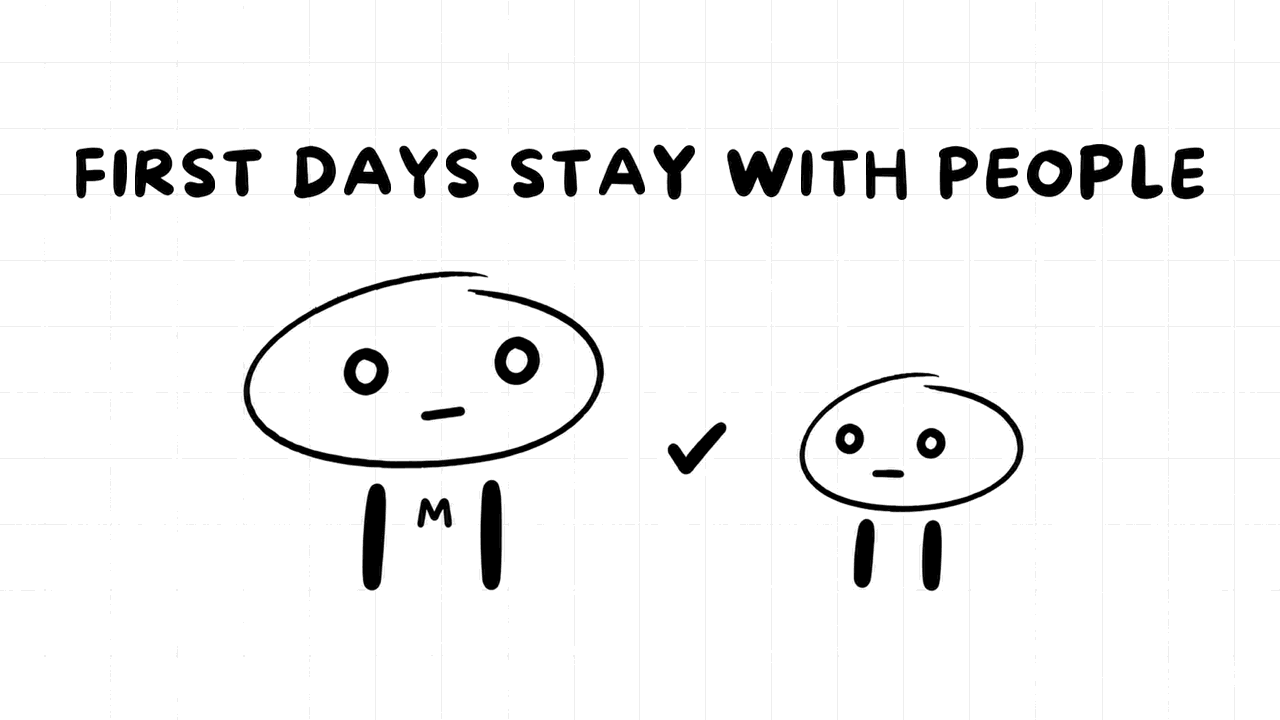
New team members may feel nervous, embarrassed about asking questions, and worried about making mistakes. They are trying to learn a lot of information, while also working out who to trust. If they feel ignored, they might quietly decide this job is not for them.
A warm welcome costs very little. It can help people to learn faster, feel more confident, and stay longer. And many of us remember exactly how our own first day felt.
Prepare before they arrive

A little planning shows that you were expecting them:
- Check that their schedule is correct, and that they know when and where to arrive.
- Find out who will greet them and who will train them.
- Make sure that any uniform and paperwork are ready, as your process requires.
- Choose a calmer time to start, if you can.
- Let the team know that someone new is starting, and share their name.
Try to avoid a situation where someone stands at the counter waiting because nobody knows who they are.
On the first day
Small things can make a real difference:
| Moment | What helps |
|---|---|
| Arrival | Greet them by name, and tell them that you are glad they are here |
| First few minutes | Show them where to put their things, and where the restrooms and break area are |
| Introductions | Introduce them to teammates, and share a little about each person |
| Training | Explain what the day will involve |
| Breaks | Make sure they know when, and do not leave them alone without guidance |
| End of the day | Thank them, and tell them what comes next |
Try to learn how to say their name correctly, and use it. If you are not sure how to pronounce it, ask. Avoid giving them a nickname, unless they ask you to.
Pair them with the right person

Who they spend time with on their first shifts really matters. A Crew Trainer or other experienced team member can often help them learn the job. Good choices are usually people who:
- Stay patient when they are asked the same question twice.
- Follow the correct procedures, not just shortcuts.
- Speak kindly about the team.
- Have the time to help, instead of being stretched too thin.
If you want to think more about the training side of this, these tips for Crew Trainers cover it in more detail.
Make it safe to ask questions
Many new people stay quiet because they do not want to look foolish. You can make it easier by saying:
Nobody expects you to remember everything right away. Please ask me anything, even if you've asked before.
Try not to sigh or look annoyed when they ask something. And when you see them doing something incorrectly, correct them gently and privately. Tell them what they are doing right as well. Early encouragement can be particularly powerful.
Teach at a pace they can handle

It is easy to overload someone. Keep things simple:
- Teach the most important things first, including safety and food safety.
- Show, then let them try, then give feedback.
- Give them time to practice before you add anything else.
- Avoid putting them in a position they are not ready for, especially during a rush.
If they are starting in a kitchen or at a counter, be clear about what they can and cannot do yet. If there are any restrictions on younger workers, make sure these are followed.
Help them become part of the team
Fitting in can be as hard as learning the job. A few things may help:
- Invite them to join conversations during breaks.
- Explain any inside jokes or restaurant terms.
- Remind your team to be kind, and to avoid teasing the new person.
- Stop gossip if it comes up. People are watching how you treat others.
- Show respect for differences in background, language, and experience.
Encourage your team to take part. A simple "How's your first week going?" from a teammate can mean a lot.
Check in regularly
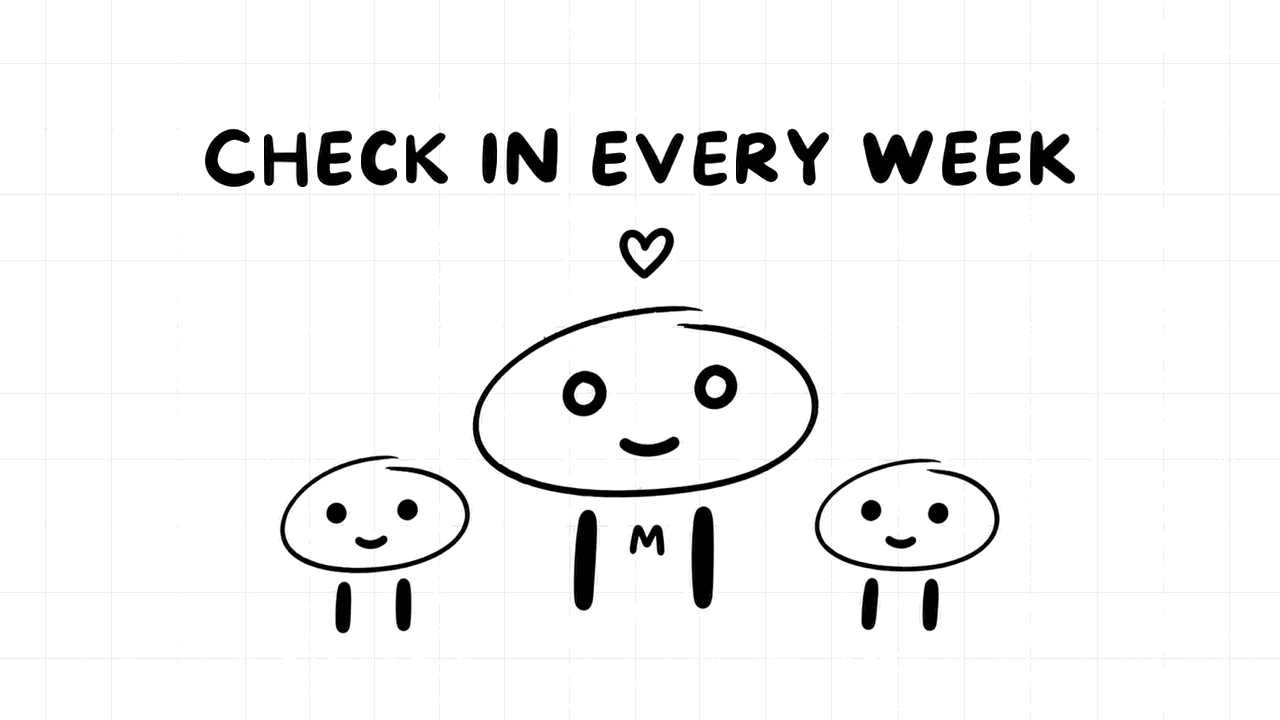
Do not stop at day one. Try to check in during their first few weeks:
How's it going so far? Is there anything that you're finding hard, or anything you wish someone had told you?
Listen to what they say, and try to act on it when you can. Let them know about any progress that you have noticed. You may also want to tell them who else they can go to, if they would rather not speak with you.
Their first paycheck can also bring questions, as can their first rush. Check in around those times, and point them to the right person if you are unsure of the answer.
If they are struggling
Some people take longer to settle in. Before you assume that someone is not suited to the job, ask what is making it hard. Maybe they need more practice, a different schedule, or simple reassurance. If someone needs further help, these ideas on cross-training and on giving clear direction may help them find their strengths.
If someone seems to be having trouble with another team member, take it seriously. People who feel unwelcome or unsafe are unlikely to stay, and they deserve better.
Why this is good leadership
Helping new people succeed is one of the most useful things that you can do, whatever your title. It shows the leadership qualities that people often look for, and the skills that matter for leadership roles. It also makes your own shifts easier in time, as a confident team member becomes someone you can count on.
You can also share this guide on getting to know your team as the new person with anyone who feels unsure.
Final thoughts
Being welcoming does not take much. Use their name, show them around, pair them with someone patient, make questions safe, and check in over the following weeks.
You may never know what one kind moment meant to a nervous new team member. But they might still be telling people about it years later.


