


I'm Abdel, a McDonald's crew member. Hearing that you need to improve can be uncomfortable, and learning to handle it well is one of the most useful skills you can build at work. I have learned that most feedback is about the task, not about you.
How feedback is given may vary by market, franchise organization, and restaurant. If any feedback feels disrespectful or crosses a line, your restaurant's approved reporting options remain available to you.
Why feedback can hurt
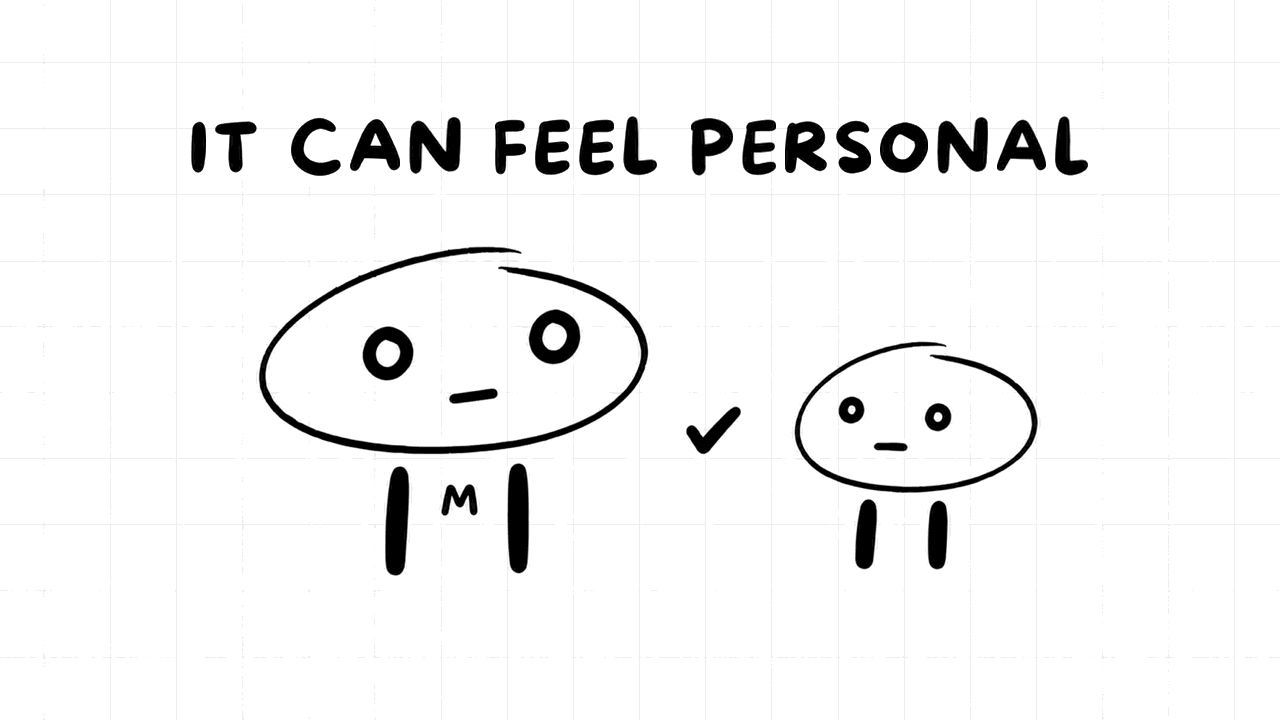
Most of us want to do a good job. So when someone points out a problem, it can feel as if they are talking about who we are rather than what we did. That reaction is normal. It does not mean you are too sensitive.
It may help to remember this difference:
| What they said | What you might hear | What it usually means |
|---|---|---|
| "You missed the sauce on that order." | "You are careless." | One order needs a closer check |
| "You need to speed up on fries." | "You are too slow for this job." | One skill needs more practice |
| "Try greeting guests sooner." | "You are bad with people." | One habit could be adjusted |
Most feedback is about a task, not about your worth as a person.
How to respond in the moment
You do not have to feel good about feedback in order to handle it well. These steps can help:
- Pause. Take a breath before you respond.
- Listen to the end. Try not to interrupt or start defending yourself.
- Check that you understand. "So you'd like me to check the label before bagging?"
- Say something simple. "Thank you. I'll work on that."
If you did not understand, ask for an example: "Could you show me how you would like it done?" That is not arguing. It shows that you want to get it right.
During a rush, feedback may come out short and sharp. If it is not a good time for a talk, you might say: "Understood. Could I ask you about this after the rush?"
Things that make it worse
Some reactions are natural, but they rarely help:
- Making excuses. "It wasn't my fault. The screen was confusing." If there is a real reason, you can mention it calmly later.
- Blaming a teammate. This can damage trust.
- Shutting down. Going silent or doing the bare minimum for the rest of the shift.
- Complaining to everyone. This spreads quickly, and it rarely fixes anything.
- Replaying it for hours. It takes up energy that you need for the work.
There is a difference between an excuse and useful context. "The screen froze for a minute, and I'll tell you sooner next time" is helpful information, and it shows responsibility.
After the shift
Give yourself some time before deciding what to think about the feedback. Once you are calmer, ask yourself:
- Is any part of this true, even if I disliked how it was said?
- What is one small thing I can do differently?
- Do I need more training or a clearer example?
- Have I heard this from anyone else?
If you hear the same thing from several people, it is probably worth taking seriously. If it was a one-off comment, it may matter less. Either way, you get to decide what to do with it.
Turning feedback into progress
Do not try to fix everything at once. Choose one thing, practice it, and then follow up:
Last week you mentioned that I needed to check orders more carefully. I've been working on that. Have you noticed a difference?
That one sentence tells a manager a lot about you. It shows that you listen, take responsibility, and care about growing. These qualities are also what managers often look for when considering people for leadership roles such as Crew Trainer.
You can ask for feedback yourself before someone gives it to you, too. A question like "What is one thing I could do better on this station?" often gets more useful and more gentle answers. It also gives you some control.
When feedback is unfair
Not all feedback is fair or well delivered. Sometimes you will get it wrong, and sometimes they will. If you truly think a comment was inaccurate:
- Wait until you are calm and the rush is over.
- Ask for a private moment.
- Stick to facts: "I'd like to understand what happened with that order, because I remember it differently."
- Listen to their answer.
If you still disagree, you can decide to let it go, or you can raise it through the right channel if it matters. Feedback should be about your work.
Feedback should not involve insults, humiliation, threats, or comments about your identity. That is not feedback. It is something you should feel free to report through your restaurant's approved options. A trusted manager or your organization's reporting line may be able to help.
Using good feedback to build confidence
We tend to remember criticism and forget praise. Try to notice when someone tells you what you did well, and remember it. You may even want to keep notes. They will also help you when you need examples for a future leadership interview.
Over time, you may find that the feedback that once stung has become one of your biggest advantages. Each piece tells you something that you might not have seen by yourself.
Giving yourself time to recover
Even when you handle feedback well on the outside, it can stay with you afterward. That is all right. You do not need to feel fine right away. Try returning to your next task first, since doing something familiar can help you to settle down.
Later, you could talk it through with someone you trust outside of work, without sharing private details about guests or coworkers. Often, saying it out loud makes it feel smaller. If you find that one comment still bothers you several days later, that may be worth a calm conversation with the person who said it.
Being open to feedback is also one of the small habits that make someone dependable.
Final thoughts
You do not have to enjoy hearing about your mistakes. You just need to listen, ask what you need to ask, and try again. Feedback about a task is not a judgment on you as a person.
The people who grow fastest at work are usually not the ones who never get corrected. They are the ones who take what is useful, leave the rest, and show up the next day ready to do a little better.


