


I'm Abdel, a McDonald's crew member. The front counter puts you in direct contact with guests, and that can be either the most nerve-racking part of the job or the most enjoyable. I have seen how much a little warmth can do there.
Equipment, procedures, and payment rules may vary by market, franchise organization, and restaurant. Follow your training and your restaurant's approved process.
What the counter job involves
A front counter position may involve greeting guests, taking or confirming orders, handling payment, serving food, and keeping the area tidy. You may also assist with kiosks, help guests collecting mobile orders, or direct people with questions to the right person.
Guests form a quick opinion of the whole restaurant from these few seconds. You cannot control how long the fries took, but you can control how you treat the person in front of you.
Start with a real greeting
A good greeting does not need to be perfect. It needs to be real:
- Look up and make eye contact, where that is culturally appropriate.
- Smile naturally.
- Greet the guest as soon as you can, even if you are finishing something else.
- Keep your tone warm and unhurried, even if the line is long.
If you are busy with another task, a quick "I'll be right with you" tells a guest that you have seen them. That moment of acknowledgment can make a wait feel shorter.
Taking an accurate order
Accuracy starts with listening. A rushed order causes more delay than a careful one.
- Let the guest finish. Avoid jumping in before they are done.
- Enter items as they speak. Ask them to pause if they are going too fast.
- Ask clarifying questions. "Would you like that as a meal?" or "Which drink would you like?"
- Note any requests. Make sure special requests are entered correctly.
- Confirm the order. Check the screen, and repeat anything complicated.
Be patient with guests who are unsure, are learning the language, or are ordering for several people. A simple "Take your time" can settle a nervous guest.
If a guest has an allergy question, do not guess, and do not say something is safe unless you know you are permitted to. Follow your restaurant's allergen procedure and involve a manager.
Handling payments
Handling payment requires concentration, particularly at first:
- State the total clearly.
- Follow the procedure you were taught for cash, cards, and digital payments.
- Count change carefully, and hand it over in a way the guest can check.
- If there is a problem, stay calm and discreet. A declined card can be embarrassing for a guest.
- Never leave your register open or share your login or access code, if you have one.
If you make a mistake, tell a manager right away. Registers can usually be corrected, and honesty matters more than a perfect first day.
Questions you may be asked
| Guest asks | A good approach |
|---|---|
| "What's in this?" | Check approved information or ask a manager, especially if an allergy is involved |
| "How long will it be?" | Give an honest estimate if you can. Avoid promises you cannot keep |
| "Can you do a refund?" | Follow your process, and involve a manager if needed |
| "Is there a deal on this?" | Check what you have been taught, or point to the McDonald's app if appropriate |
| "Where's my order?" | Check the screen, apologize for the wait, and follow up with your team |
"I'm not sure, but let me find out for you" is a perfectly professional answer.
Keeping up during a rush
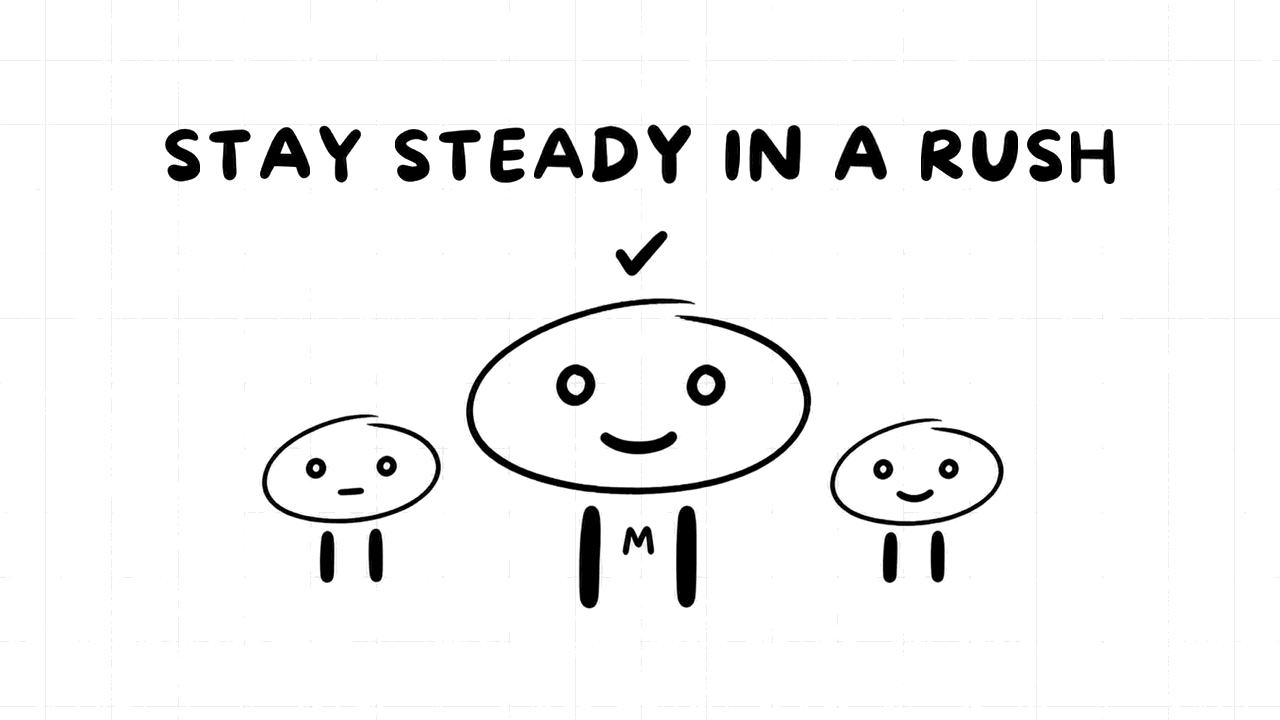
When the line reaches the door, resist the urge to rush every word. Good counter work during a busy period often looks like this:
- Greet each guest, even if the greeting is short.
- Keep your hands and eyes on one order at a time.
- Tell the team if something is backing up.
- Keep your area clean and stocked so that you are not hunting for supplies.
- Ask for backup early rather than late.
Remember that a guest who has waited a while does not need a long explanation. They just need you to acknowledge the wait and help them next: "Thank you for waiting. What can I get for you?"
When a guest is unhappy
Sooner or later, a guest will be upset. Often, they are frustrated by the situation, not by you. Listen without interrupting, apologize for their experience, and focus on what can be done. If you cannot solve it, bring in a manager or Guest Experience Leader. Your job is to stay respectful and to know when to ask for help.
This practical guide to the complaint handling process goes further, and if you enjoy this part of the work, it may be worth reading about the Guest Experience Leader role.
If a guest ever becomes threatening or makes you feel unsafe, step back and get a manager right away.
Small habits of strong counter workers
- Keep the counter and floor around you clean.
- Check orders before handing them over.
- Learn the common menu items, so that you can answer quickly.
- Say the guest's order number clearly, if your restaurant uses them.
- Finish every interaction with a genuine thank you.
Getting comfortable with the register
If the register is what makes you nervous, a little focused attention can help. Ask your trainer to show you how the screen is organized, where common items are found, and how to change or remove something if a guest changes their mind. Knowing how to fix an entry takes a lot of the fear out of making one.
Try learning the most popular items first, since these will come up again and again. Then move on to meals, sizes, and common changes. If there are practice materials or quiet moments that you are allowed to use, take advantage of them.
Do not worry if you need to look for an item while a guest waits. A simple "Bear with me, I'm still learning this" is honest, and most guests respond kindly. Before long, your hands will start moving to the right place on their own.
Final thoughts
Working the counter takes practice, and most people feel awkward at first. Over time, the register becomes familiar and the conversations get easier. What matters most from day one is simple: see the guest, listen to them, get the order right, and treat them with respect.
You might not remember most of the people you serve. They may remember how they felt. And on someone's difficult day, a kind few seconds at a counter might mean more than you will ever know.


