


I'm Abdel, a McDonald's crew member. The drive-thru can look intimidating from the outside, so this guide breaks it down into habits you can practice. I have seen how much easier it gets once those habits are in place.
Layouts, equipment, and procedures may vary by market, franchise organization, and restaurant. Follow your training and your restaurant's approved process, including any rules about timing and payments.
How the drive-thru works
A drive-thru is a chain. Depending on the restaurant, a guest may place an order at a speaker, pay at one window, and collect the food at another. Some restaurants have one window, while others use two lanes. Behind those positions, the kitchen and assembly team prepare each order.
You may be trained in one part of this chain at a time:
| Position | What you may do |
|---|---|
| Order taker | Greet the guest, take the order, and confirm it |
| Cashier | Take payment and repeat what is needed |
| Presenter or runner | Check the order and hand it to the guest |
| Assembly | Bag the order and prepare it for the window |
Each person's accuracy depends on the person before them, which is why clear communication matters so much.
Using the headset
The headset is the part that worries most people. Everyone sounds a little different through a speaker, and there may be traffic noise or a guest's radio in the background. Some practical tips:
- Greet warmly and clearly. Your tone is all the guest has to go on. A friendly voice makes a difference even at the end of a long shift.
- Speak a little slower than normal. Short pauses help the guest catch what you said.
- Move the microphone into a good position. Ask your trainer how to wear and adjust it.
- Do not talk over the guest. Let them finish, then respond.
- Be careful what you say. Assume your microphone may be live. Do not make comments about guests or teammates on the headset.
A simple greeting might be:
Hi, welcome to McDonald's. Go ahead whenever you are ready.
Use your restaurant's preferred greeting if you have been taught one.
Taking an accurate order
Most drive-thru problems begin with a misunderstanding. These habits can help you avoid them:
- Enter items as you hear them. Falling behind and trying to catch up from memory leads to mistakes.
- Ask about size or choices. If something is unclear, ask rather than assuming.
- Listen for special requests. "No pickles" matters. Make sure it makes it onto the order.
- Read back the order. Check the screen, and confirm when needed.
- Take allergy concerns seriously. If a guest mentions an allergy, follow your restaurant's procedure and involve a manager. Do not guess or make promises about ingredients.
If you cannot hear the guest, just say so:
I'm sorry, I didn't catch that. Could you repeat your drink order?
Nobody minds repeating themselves nearly as much as they mind getting the wrong food.
Working the window
The window is often your only face-to-face moment with a guest, so make it count:
- Look at the guest, smile, and greet them.
- Confirm the amount and handle payment carefully, as you have been trained.
- Check the order against the screen before you hand it over.
- Make sure drinks are secure and easy for the guest to take.
- Keep your own safety in mind. Follow your training around leaning out of windows, and keep the area free of spills.
- Thank the guest. Even a quick one matters.
If you are asked to have a guest wait for an order, explain it simply and politely. Follow your restaurant's procedure for where they should go.
Staying calm when the line gets long
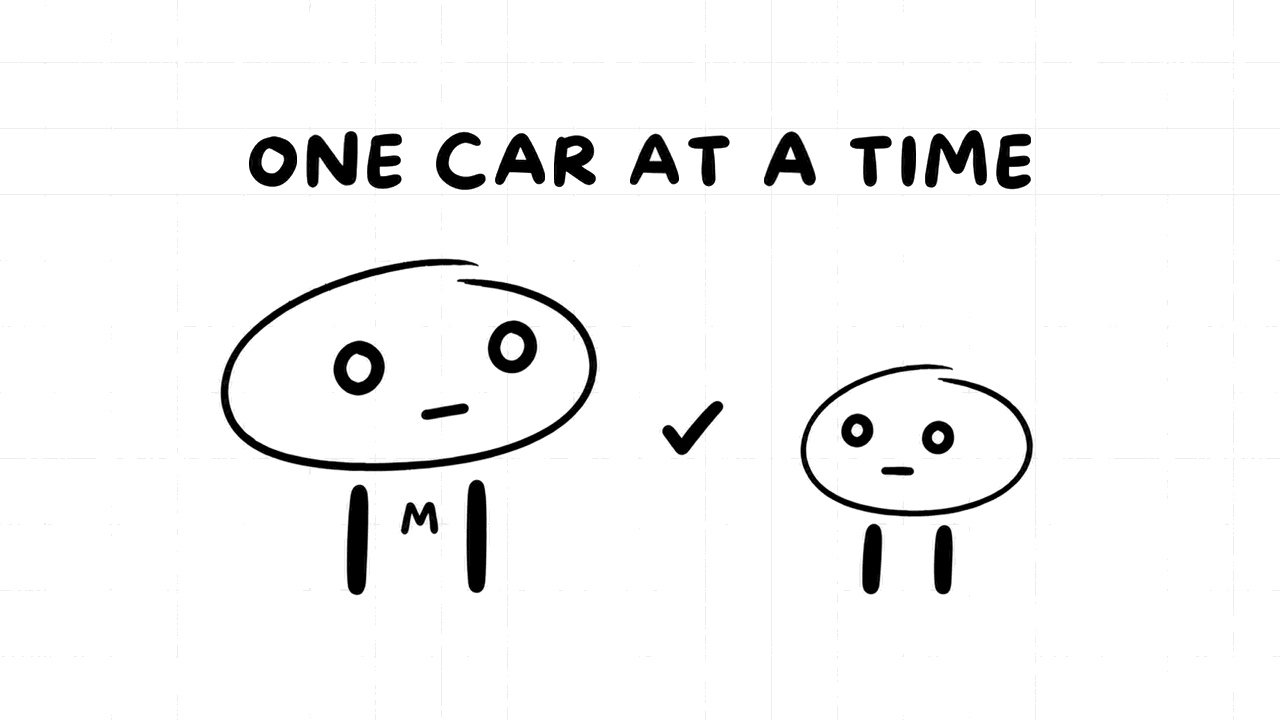
A long line can make anyone hurry, and hurrying often makes things worse. You can only serve one guest at a time, and a wrong order takes much longer than a correct one. It often helps to:
- Focus on the car in front of you instead of counting the others.
- Keep your voice steady, as stress is easy to hear.
- Tell your team early when you start falling behind.
- Take a slow breath between orders.
Timers and speed goals may be part of your restaurant's routine. Treat them as useful information, but never let them push you to skip a safety step or a check.
Handling common problems
The guest is upset about waiting. Apologize for the wait and thank them for their patience. You do not need to explain every detail.
The order was wrong. Listen, apologize, and follow the process to correct it. Bring in a manager if it goes beyond your authority. This guide to handling complaints walks through how to do that.
A payment does not go through. Stay polite and discreet. Follow your training, and ask a manager if you are unsure.
A car drives off or someone behaves unsafely. Do not chase anyone or put yourself in danger. Tell a manager immediately.
Practicing before you feel ready
Most people improve on the drive-thru through repetition, but you can make that repetition more useful. Try focusing on one skill per shift rather than on everything at once:
- Learn the menu layout on your screen. Knowing where items are lets you look at the screen less and listen more.
- Listen to experienced team members. If your trainer allows it, pay attention to how they phrase questions and how they keep their tone steady.
- Notice which items you often need repeated. That can show you what to confirm next time.
- Ask your trainer for one specific piece of feedback. "How did my greeting sound?" is easier to answer than "How am I doing?"
It may also help to know that the first days are often the hardest because you are learning to do two things together. You are listening to a voice in your ear while finding items on a screen. That usually feels awkward for a while, and then one day you notice that it has stopped feeling strange at all.
If an item has run out, this guide on what to say when an item is unavailable can help you tell the guest.
If a guest is unsure what to order, this guide on helping a guest who cannot decide may help.
Final thoughts
Nobody is a drive-thru expert in their first week. The headset feels strange, the pace can be intimidating, and you will mishear things. With practice, you will start to recognize common orders and learn how to listen and type at the same time.
Focus on the fundamentals: speak clearly, confirm the order, and treat every guest as if they were the only one in line. Speed tends to follow accuracy, and the first few good shifts will give you more confidence than any guide.


