


I'm Abdel, a McDonald's crew member. Almost every job starts to feel repetitive at some point, and that does not mean you have made a mistake in taking it. I have learned that small goals can make an ordinary shift more interesting.
Training opportunities and roles may vary by market, franchise organization, and restaurant, so ask your manager what is available where you work.
Why repetition wears you down
At the start, everything is new. You are learning stations and meeting people, and each day brings progress you can see. Later, once you know the job, that sense of progress can fade. Your hands know what to do, and your mind starts to wander.
Feeling bored does not make you lazy or ungrateful. It may even be a good sign: you have become competent, and part of you is ready for something more.
Start by asking why you are here
Your reason for working can help you through dull days. It does not have to be grand:
- Paying rent or helping your family.
- Saving for school, a car, or a trip.
- Gaining experience for your resume.
- Being part of a team that you enjoy.
- Building toward a leadership role.
Try writing yours down. When you are bored, it helps to remember that this shift is connected with something that you care about.
Set small goals
Small goals can make an ordinary shift more interesting. Try these one at a time:
| Area | A small goal for today |
|---|---|
| Accuracy | No mistakes on any order this hour |
| Guests | Make three guests smile |
| Speed | Cut one wasted movement from your routine |
| Teamwork | Help one person without being asked |
| Learning | Ask one question about something you do not fully understand |
| Standards | Leave your station better than you found it |
Be sure to keep safety and quality in place. A goal should make your work better, not push you to cut corners.
Learn something new
New skills are often the fastest cure for boredom. You could ask to:
- Learn a station you have not worked on before.
- Try cross-training on a different area.
- Shadow a Crew Trainer for a short time.
- Help new team members get settled.
- Understand how something works behind the scenes, such as ordering or quality checks.
You could say to your manager:
I feel comfortable on this station now, and I'd like to keep learning. Is there another position I could train on when there's time?
That is a question many managers will be happy to hear.
Find the human side of the work
The orders may repeat, but the people do not. The guest in front of you is having their own day. They might be on their way to a job interview or celebrating a good grade. They might just need someone to be kind to them.
Try paying attention to people rather than tasks. Learn a regular's usual order, if they seem to enjoy that. Help someone who looks lost. Thank a teammate properly. Small moments like these can give your shift a sense of meaning that is hard to find in a checklist.
Change how you see your skills
You may think that you are "just making burgers" or "just working the counter." But look at what you actually do:
- Stay calm under pressure.
- Communicate quickly and clearly.
- Solve problems on the spot.
- Work with people of all ages and backgrounds.
- Follow careful procedures.
These skills are useful in almost any future job. Try to keep a few examples of times you handled something well. They will help you if you apply for a leadership role or a job in another field.
Look after your energy
Sometimes what feels like boredom is really tiredness. If you feel flat, ask yourself whether you are sleeping, eating, and taking your breaks properly. Do you have something in your life outside work to look forward to?
Your mind also needs variety. Try to make some time for a hobby, for friends, or for learning something unrelated to work. If you still feel very low, or you are dreading every shift, it may be something more than boredom. This article on avoiding burnout may be a helpful starting point, and it is also fine to reach out to a professional.
Choose your company carefully
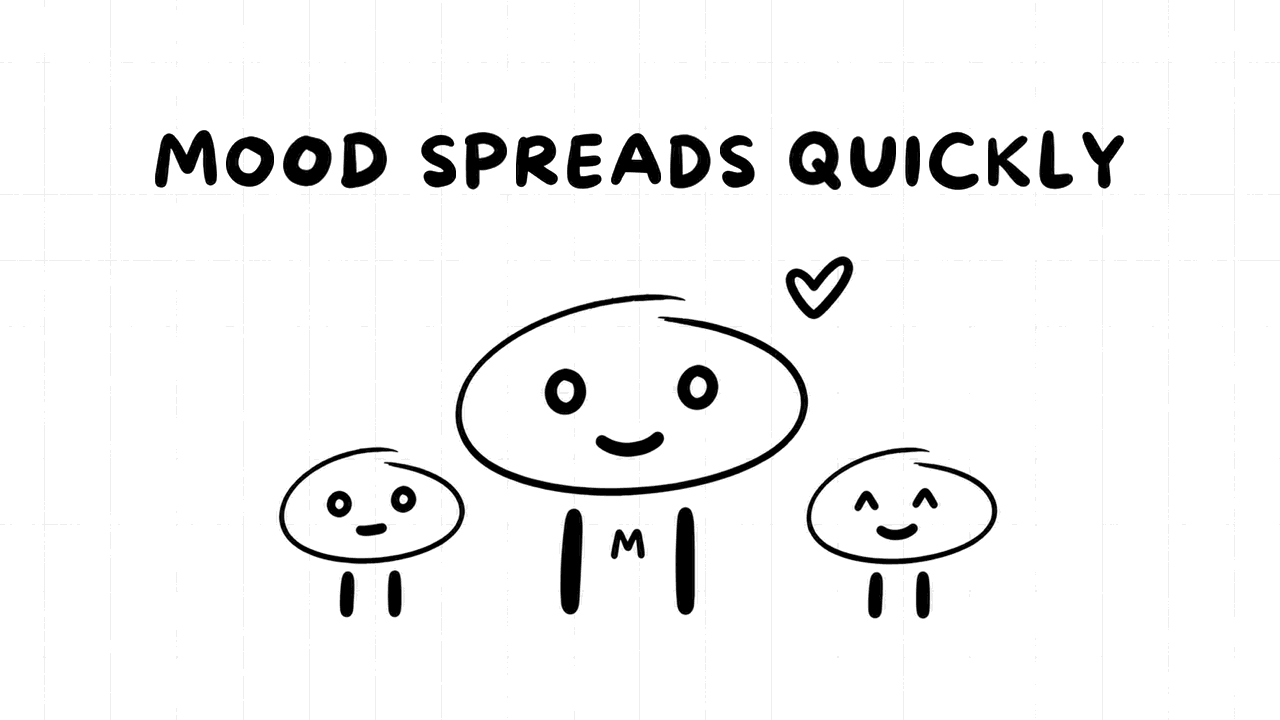
Mood spreads quickly in a small team. If everyone around you spends the shift complaining, it can drain your energy too. You do not have to pretend that everything is perfect, but you can try to:
- Spend your breaks with people who lift your mood.
- Avoid joining in with constant negativity.
- Share something good that happened on your shift.
- Encourage newer team members.
You might find that your own attitude helps to change the mood around you.
Ask for more responsibility
If you have mastered your job, it may be a good time to talk about what comes next. You could say:
I've been here for a while now, and I'd like to grow. What would I need to work on to be considered for more responsibility?
Listen to the answer, and act on it. Roles such as Crew Trainer may bring new challenges, though opportunities vary and may take time.
When it may be time for a change
Sometimes you do everything right, and the job still does not feel right for you. That is okay. It may simply be time to plan your next step, whether that means a different role, more education, or another industry. Do not feel you must leave right away. Use the time you have to build your skills and savings, and make a plan you feel good about.
Mark your progress
Repetitive work can hide how far you have come. Every month or so, think about what has become easier, such as a station or a difficult conversation. Noticing that progress can remind you that you are still growing.
Final thoughts
Repetition is part of most jobs, but you still have choices about how you experience it. Remember your reason, set small goals, learn something new, and pay attention to the people around you.
You may not be able to change every task. But you can change how much you learn from them, and where they lead you next.


