


I'm Abdel, a McDonald's crew member. Long shifts, busy rushes, and difficult moments can add up, and it helps to recognize the signs of burnout before it takes over. I have seen how quietly that tiredness can build.
Schedules, support, and programs may vary by market, franchise organization, and restaurant. This article is general guidance, not medical advice. If you are struggling, please consider talking with a health professional.
What burnout looks like
Everyone has bad shifts. Burnout tends to be something deeper that builds up over time, usually from ongoing stress without enough recovery. It may show up in several ways:
| Area | Possible signs |
|---|---|
| Energy | Feeling exhausted, even after a day off |
| Feelings | Dreading work, feeling numb or irritable |
| Attitude | No longer caring about guests or teammates |
| Confidence | Feeling that nothing you do matters |
| Health | Headaches, poor sleep, getting sick more often |
| Work | More mistakes, more lateness, difficulty focusing |
Having one or two of these on a rough week is common. If several of them last for a long time, take them seriously.
Why fast food can wear you down
Restaurant work has several things that can add up:
- Fast pace and constant noise.
- Standing for long periods.
- Difficult or rude guests.
- Changing schedules, late nights, and early starts.
- Being short-staffed.
- Worries about money or hours.
- School, family, and other responsibilities on top of it all.
You may be good at your job and still burn out. It is not a sign that you are weak. Often, it just means that you have been carrying a lot for a long time.
Start with the basics
When you are worn out, it can be hard to do anything complicated. Start small:
- Sleep. Protect it as best you can, and try to keep your times regular.
- Food and water. Eat real meals, and drink water during your shift where allowed.
- Breaks. Actually take them. Sit down and step away from the noise, if you can.
- Movement. A short walk or some stretching can help you to reset.
- Daylight. Spend a little time outside, especially after a run of late shifts.
These things will not fix everything, but they do make it easier to deal with the rest.
Protect your time off
Time off is only useful if you actually get some rest. Try to:
- Keep your phone notifications from work under control, unless you are expected to respond.
- Do something you enjoy, not just chores.
- See people who have nothing to do with your job.
- Avoid saying yes to every extra shift.
It is fine to help your team, but you are allowed to say no:
I can't take that shift this week. I need the rest, but I hope you find someone.
You do not have to give a long explanation. If you never say no, you may end up with nothing left for anyone, including yourself.
Manage the moments at work
Some small habits can help you through a hard shift:
- Take one slow breath before you greet the next guest.
- Focus on one order at a time, rather than the whole line.
- Remember that a rude guest is usually not about you.
- Ask for help before you are overwhelmed.
- Spend your breaks with people who make you feel better.
- At the end of a shift, name one thing that went well.
You can find more day-to-day ideas in this guide to managing stress at McDonald's.
Talk to your manager
A manager cannot help with something they do not know about. You do not have to share everything. You could say:
I've been feeling really worn out lately, and I'm worried that it's affecting my work. Could we look at my schedule, or could I try a different position for a while?
Some things you could ask about:
- A more regular schedule or fewer late closes.
- A short break from a position you find especially stressful.
- Time off, if it is available.
- Additional training, if you feel out of your depth.
- Any support programs your organization may offer.
If you are feeling worn out because of how you are being treated, this is different. If you are experiencing harassment or an unsafe situation, use your approved reporting options.
Get support outside work
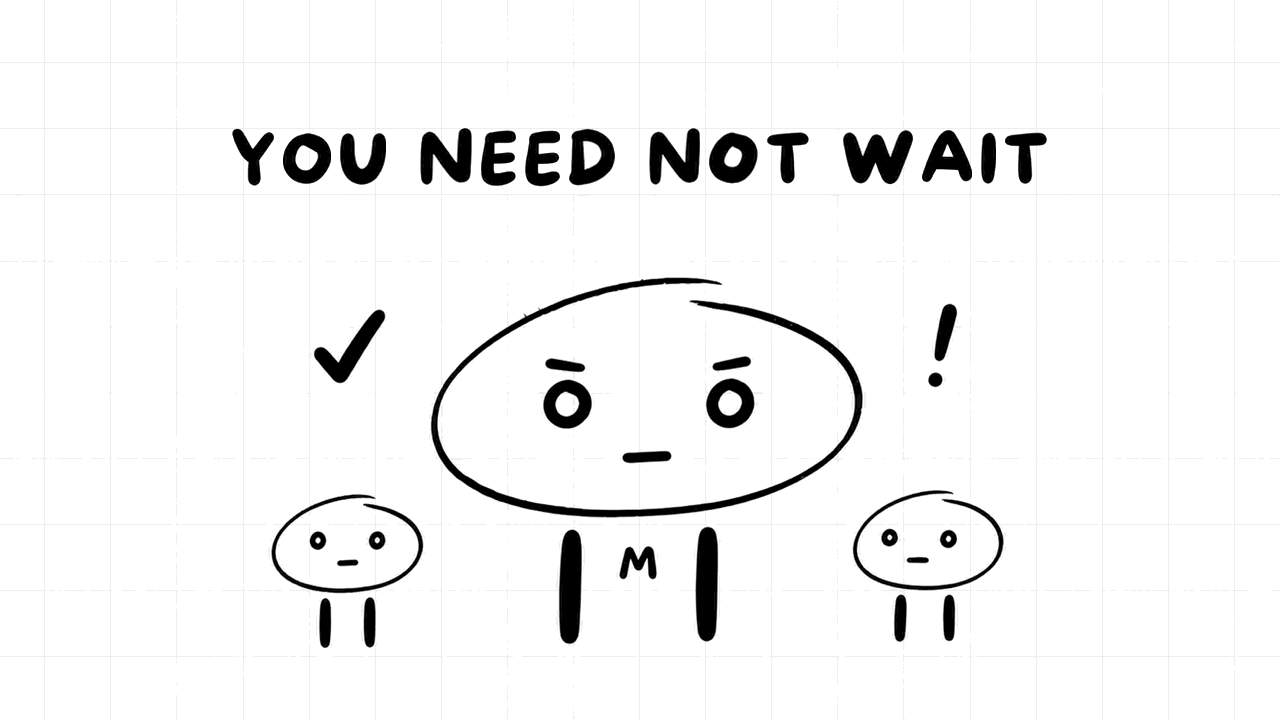
Talking to someone you trust can make a big difference. That could be a friend, a family member, a teacher, a counselor, or a doctor. A health professional can help you work out whether something else, such as depression or anxiety, may be involved.
Please do not wait until you reach a crisis point. If you ever feel hopeless or think about hurting yourself, reach out immediately to a local crisis service, a doctor, or emergency services. You deserve support, and help is available.
If you are a leader
Team leaders can burn out as well, and they may feel they have to hide it. If you are in a position like Shift Manager or Crew Trainer, watch out for your team and yourself. Check in with people, try to plan fair schedules, and notice when somebody who usually cares has gone quiet. Ask for support when you need it, too.
Check whether anything needs to change
Sometimes, self-care is not the answer because the situation itself is the problem. You might ask:
- Is this job still working for my life right now?
- Would a different schedule or role help?
- Would a different restaurant or team feel better?
- Do I need a real break?
- Is it time to plan my next move?
There is nothing wrong with choosing to move on when a job no longer fits. Try to do it thoughtfully and professionally if you can, but your health must come first.
You do not need to answer all of these questions in one sitting. Write them down, come back to them on a day off, and talk them through with someone you trust.
Physical tiredness can add to the strain, so these tips for taking care of your feet, back, and energy may be worth reading.
If your hours are part of the problem, try these ideas for handling late nights and early mornings.
Final thoughts
Burnout does not usually arrive all at once. It builds through many long days and small pressures. Look for the signs early, protect your rest, talk to someone, and make changes while you still have the energy to make them.
You can care about your job and still say that you need a break. Looking after yourself is part of doing good work over the long term.


