


I'm Abdel, a McDonald's crew member. New crew members often believe they have to look like they know everything, but asking questions and reporting mistakes is part of doing this job well. I have learned that a quick question is almost always better than a guess.
Reporting steps and procedures may vary by market, franchise organization, and restaurant. Follow the guidance you receive from your manager and approved training.
Mistakes are part of learning
In your first weeks, you are going to get things wrong. You may mix up an order, forget a step, or put something in the wrong place. Everybody on your team has a list of their own early mistakes, including people who now seem to do everything effortlessly.
Your trainer and manager are not expecting you to be perfect. They are watching to see what you do next. A person who reports a mistake quickly and learns from it is far easier to work with than someone who never seems to make any, because that person may simply be hiding them.
What to do when you make a mistake
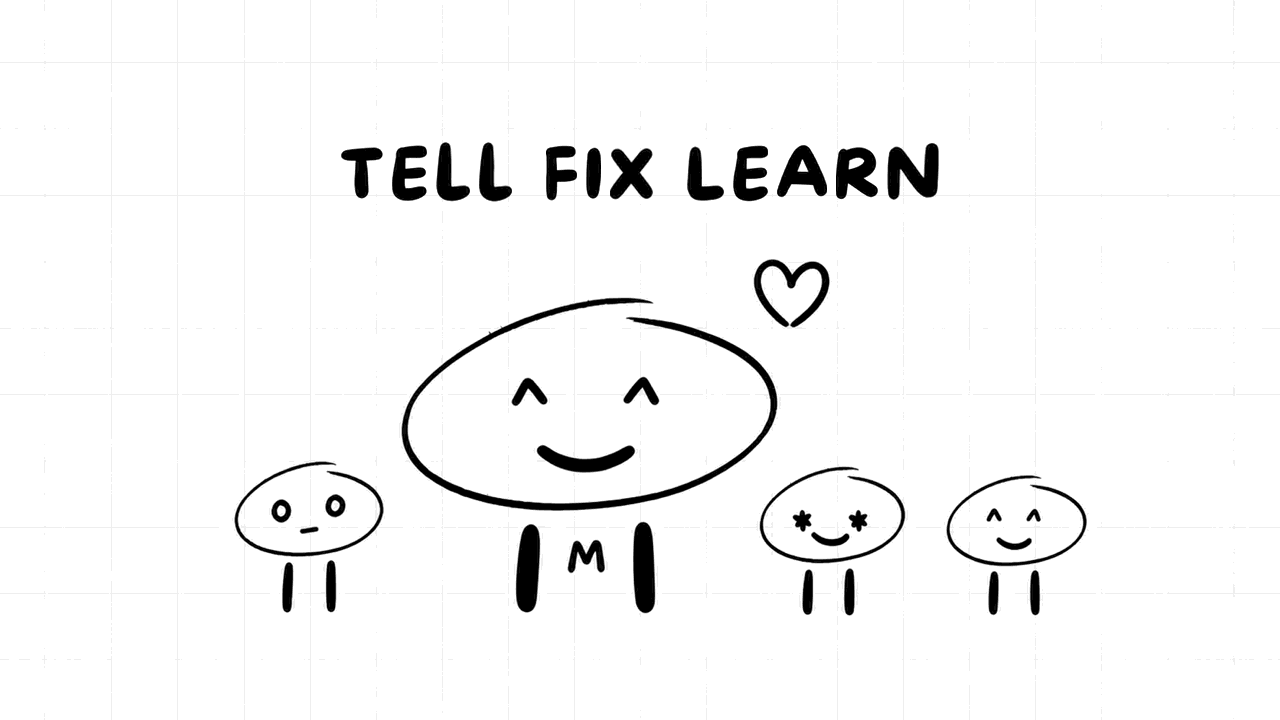
When something goes wrong, a simple sequence helps:
- Stop if it matters for safety. If there is a risk to a person or to food safety, deal with that first and tell a manager at once.
- Say it quickly. Tell your trainer or manager what happened. The sooner they know, the more options they have.
- Stick to the facts. You do not need a long apology or an excuse.
- Fix it the approved way. Ask how to correct it rather than improvising.
- Learn from it. Ask what you should do differently next time.
You might say:
I think I just gave that guest the wrong order. It was the one with no pickles. What should I do?
That sentence takes a few seconds and gives your team what it needs to help.
Mistakes you should never hide
Most small mistakes cost little. Some carry real risk, and these must be reported immediately, even if you are embarrassed:
- A possible allergen mix-up, or an order you think may be unsafe for a guest.
- Food that may have been contaminated, undercooked, or kept past its time.
- A spill, a broken object, or anything else that could cause someone to get hurt.
- A cut, burn, or other injury, even if it seems minor.
- Equipment that seems to be working incorrectly or that you may have damaged.
- A chemical used in the wrong place or mixed by accident.
Nobody will be happy that a mistake happened, but a reported problem can be fixed. A hidden one can harm someone.
How to bounce back
The hardest part is often what happens in your head afterward. You may replay the moment while your next task is waiting. A few things help:
- Take one slow breath. Then return to the current task.
- Do not over-apologize. One honest apology is enough. Repeating it keeps everyone in the moment, including you.
- Make a small plan. "Next time, I will check the screen before I hand it over."
- Remember the scale. One wrong drink is an ordinary moment in a busy restaurant.
If you are corrected, try not to argue in the moment. Even if you feel the correction was unfair, a calm conversation later will go much better than a defensive one during a rush.
How to ask for help without feeling embarrassed
Many new crew members would rather struggle than ask. They worry that they are being annoying, or that they asked the same thing yesterday. In reality, an unasked question often creates far more work for others later on.
Here are some ways to make asking easier:
- Choose the moment when you can. If it is not urgent, wait for a natural pause.
- Be specific. "Could you check that I am closing this correctly?" is easier to answer than "I don't get it."
- Show what you already know. "I know the first two steps, but I forget what comes next" helps people to help you quickly.
- Ask early. Tell someone that you are falling behind before the problem grows.
- Say thank you. It is simple, and it makes people glad to help next time.
During a rush, keep it short:
I'm behind on this order. Can someone help for a moment?
If you have asked something several times, there is nothing wrong with saying so: "I know you showed me this before, and I want to get it right. Could you show me once more?" Most people respect that.
Who to ask
| Situation | Who to ask |
|---|---|
| How to do a trained task | Your Crew Trainer or an experienced crew member |
| Something related to safety or allergens | The Shift Manager on duty, immediately |
| A guest issue beyond your role | The Guest Experience Leader or Shift Manager |
| Your schedule, pay, or a personal concern | A manager, at a suitable time |
Titles and responsibilities can differ, so ask early on who you should go to for what. This guide to handling guest complaints also explains how concerns may move from one person to another.
What good teammates do when someone else makes a mistake
Sooner or later, you will be on the other side of this. A newer teammate will make a mistake, or will ask you a question you have already answered twice. How you respond helps to decide whether they will come to you next time.
A few simple habits can help:
- Stay calm, and focus on fixing the problem.
- Answer the question without making a big thing of it.
- Correct people privately when you can, not in front of guests.
- Share one of your own early mistakes if you are comfortable doing so. It helps people relax.
You can also notice how it feels when someone treats you this way in your own first shifts. Those are often the people who shape what kind of teammate you become. A team where people feel safe to speak up tends to catch problems earlier, and that protects guests and the whole team.
Final thoughts
Think about what your team actually needs from a new crew member. They do not need someone who never makes a mistake. They need someone honest, someone who will speak up, and someone who will learn. Those are qualities you can show from your very first shift, and they will be remembered long after the wrong drink is forgotten.
If you keep feeling overwhelmed, this guide to managing stress at McDonald's offers ways to steady yourself. It gets easier. Until then, ask the question.


