


I'm Abdel, a McDonald's crew member. Real speed rarely comes from hurrying, and the fastest people on a team often look surprisingly calm. I have learned a lot from watching how they work.
Procedures, targets, and timing may vary by market, franchise organization, and restaurant. Nothing here replaces your training. Never skip a safety or food safety step in order to work faster.
What speed really is
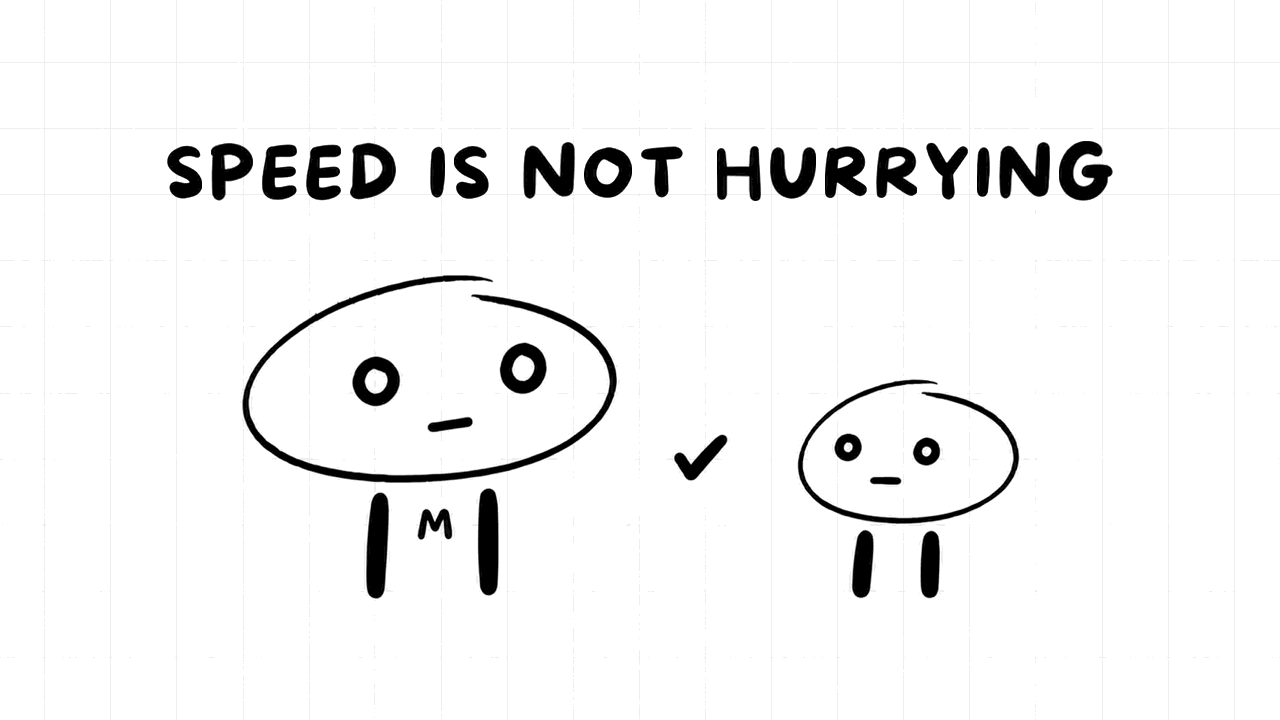
There is a difference between moving fast and working fast. Someone who rushes tends to drop things, make errors, and start over. Someone who works fast makes fewer unnecessary movements, knows what comes next, and rarely has to redo anything.
That is good news, because it means you do not need to become a different person. You simply need to practice, notice what slows you down, and remove it bit by bit.
Learn the job well first

Trying to get fast before you are accurate usually backfires. Follow this order:
- Learn the correct process. Know the steps and why they exist.
- Repeat until it feels familiar. You should not have to think about each step.
- Then look for wasted time. Now you can make it smoother, not different.
A remade order often takes more time than simply doing it right the first time. Accuracy is one of the most reliable ways of being fast, and it means fewer guest complaints to handle as well.
Find your wasted movement
Watch yourself for a few minutes during a normal period. You may notice:
| Time waster | A better habit |
|---|---|
| Walking back and forth for one item | Gather what you need in one trip |
| Searching for supplies | Keep things in their usual spots |
| Rereading the screen several times | Read once carefully and hold the order in mind for that step |
| Using two hands for one task, then needing to put something down | Plan your next movement |
| Waiting without doing anything | Wipe, restock, or prepare in that time |
| Chatting while working | Save the conversation for slower moments |
Small savings add up. A few seconds on each order can make a real difference over a busy hour.
Build routines you can trust
A routine means you do not have to make a new decision every time. Set up your station the same way. Build each item in the same order, and do your checks at the same moment. When things get loud and stressful, your routine will carry you.
Pay attention to how your experienced teammates do this:
- Where do they keep their most-used items?
- What do they do during the few seconds between orders?
- What do they look at first on the screen?
- How do they keep track of what is next?
Ask them, too. Most people are glad to share a tip, and you might hear something your training did not have time to mention. Just be careful: if a tip seems to skip a required step, check it with your manager or trainer first.
The corners you never cut
Some steps may feel slow, and they stay anyway. These include:
- Handwashing when required.
- Glove changes and food handling rules, as you were trained.
- Cooking, holding, and timing procedures.
- Allergen procedures.
- Safety rules for hot equipment, chemicals, and wet floors.
- Cleaning steps.
- Checking orders before they go out.
If you feel pressure to skip any of these, tell your manager. A short delay is always better than a guest getting sick or a team member getting hurt. Good managers would rather explain a wait to a guest than deal with something much worse.
How to practice speed
Try improving just one thing at a time:
- Pick a focus. This week, maybe you want to read the screen better.
- Practice in quiet times. Calm periods are a good time to try a better setup.
- Ask for feedback. "Is there anything that would make me quicker here?"
- Compare yourself to yourself. Are you smoother than you were last week?
Avoid racing your teammates. Competition can be fun, but it can also lead to careless mistakes. And do not judge yourself against someone with years of experience. They were slow once as well.
Good timing helps too
As you improve, you will start thinking one step ahead. Before you finish this order, you will already know what comes next. You will notice supplies running low before they run out. You will see when a teammate needs a hand.
That is the point where speed starts to feel easy. Communication helps with this too. A quick "Two more fries on the way" keeps others from waiting or guessing. It also makes the whole team faster, which matters more than one person being fast alone.
When you feel too slow
It is common to feel slow for a while. Your hands take time to learn things. If you are worried, ask your trainer or manager directly: "Am I where you'd expect me to be at this stage?" You may be pleasantly surprised. And if you do need to improve, you will know exactly what to work on.
Remember that your mood affects your speed too. Tense hands make more mistakes.
How to tell if you are really improving
Speed is hard to judge from the inside, especially on a stressful day. Instead of asking whether you feel fast, look for signs like these:
- You need to look at the screen or ask for reminders less often.
- You remake fewer orders.
- Your station stays stocked and clean during busy periods.
- You finish one thing and start the next without pausing to think.
- Teammates stop checking your work as often, or ask you for help.
Your restaurant may also track timing or other measures. If you are not sure what those numbers mean or how they relate to you, ask your manager. Treat them as information, and remember that they do not replace any safety step.
Progress also tends to come unevenly. You may improve for a few weeks and then feel stuck, or have a poor shift right after a good one. That is normal. Look at the overall direction over a month, rather than at one difficult hour.
When several things need you at once, this guide on how to prioritize may help.
Final thoughts
Getting faster is not about pushing yourself until you make mistakes. It is about knowing the work so well that nothing is wasted. Learn the correct way, remove small delays, keep your safety habits, and be patient.
One day, a new team member may look over at you and wonder how you do it so calmly. Now you will know the answer.


