


I'm Alex. I started as a crew member, later worked as a Crew Trainer and Guest Experience Leader, and now work as a McDonald's Shift Manager with more than five years of management experience. That progression taught me something simple: a strong shift is not built by one manager moving faster than everyone else. It is built by giving crew members the clarity, support, and trust they need to do good work.
I learned several of these lessons the uncomfortable way. A rushed instruction created confusion. A delayed conversation allowed frustration to grow. The useful part was recognizing what happened, correcting it, and building a better habit. As you read, think about your own shifts: which of these mistakes would your team notice first?
1. Communicating without confirming understanding
During a busy shift, it is tempting to call out an instruction and move straight to the next problem. I have done it. The words sounded clear in my head, but the crew member heard only part of the plan. A short instruction is useful only when the other person knows the position, priority, and timing.
I try to keep instructions brief and specific. Instead of saying, "Help over there when you can," I identify the task and the timing: "Please support fries for the next ten minutes, then check back with me." I also make space for questions, especially when a crew member is learning a new station or procedure.
What I do: I state the task, the priority, and the expected result. When the situation allows, I ask the crew member to confirm the plan in their own words. That small check prevents many avoidable problems. If this is a recurring challenge for you, my guide to communicating clearly during busy McDonald's shifts goes deeper into instructions, listening, conflict, and follow-up.
2. Overlooking everyday contributions
Think about the last difficult rush your team completed. Who kept the station organized? Who quietly helped someone else catch up? Crew members notice when that effort is recognized, and they also notice when it is treated as invisible.
Recognition does not need to be formal or elaborate. A sincere thank-you after a difficult rush, specific praise for an accurate station, or acknowledgment of someone who supported another crew member can have a meaningful effect. Specific recognition is especially useful because it tells the person exactly what behavior to repeat.
What I do: I recognize effort close to the moment it happens. Instead of offering only a general "good job," I might say, "You kept the front counter organized during that rush, and it helped the whole team stay on pace. Thank you."
3. Allowing favoritism to influence decisions
Managers naturally communicate more easily with some people than with others, but personal comfort cannot determine scheduling, task assignments, coaching, or recognition. When the same crew members repeatedly receive preferred positions or opportunities, the rest of the team will question whether decisions are fair.
Fairness does not mean that everyone receives the same assignment every day. Skill level, availability, training needs, and restaurant demand all matter. It means you can explain the reasons behind a decision and apply the same logic the next time a similar situation appears.
What I do: I rotate development opportunities where practical, document important scheduling and performance decisions, and explain the operational reason for assignments. I also review my own patterns to make sure I am not relying on the same people simply because it is convenient.
4. Dismissing feedback from crew members
Want to know where a process is breaking down? Ask the people working closest to it. Crew members often see equipment concerns, guest confusion, order handoff problems, and training gaps before a Shift Manager does.
Listening does not mean accepting every suggestion. It means giving the person a fair hearing, asking useful questions, and explaining what will happen next. Even when an idea cannot be implemented, a respectful response shows that speaking up is worthwhile.
What I do: I invite feedback during shift check-ins and after difficult periods. When a suggestion needs more review, I record it and follow up rather than allowing it to disappear.
5. Expecting standards I do not demonstrate
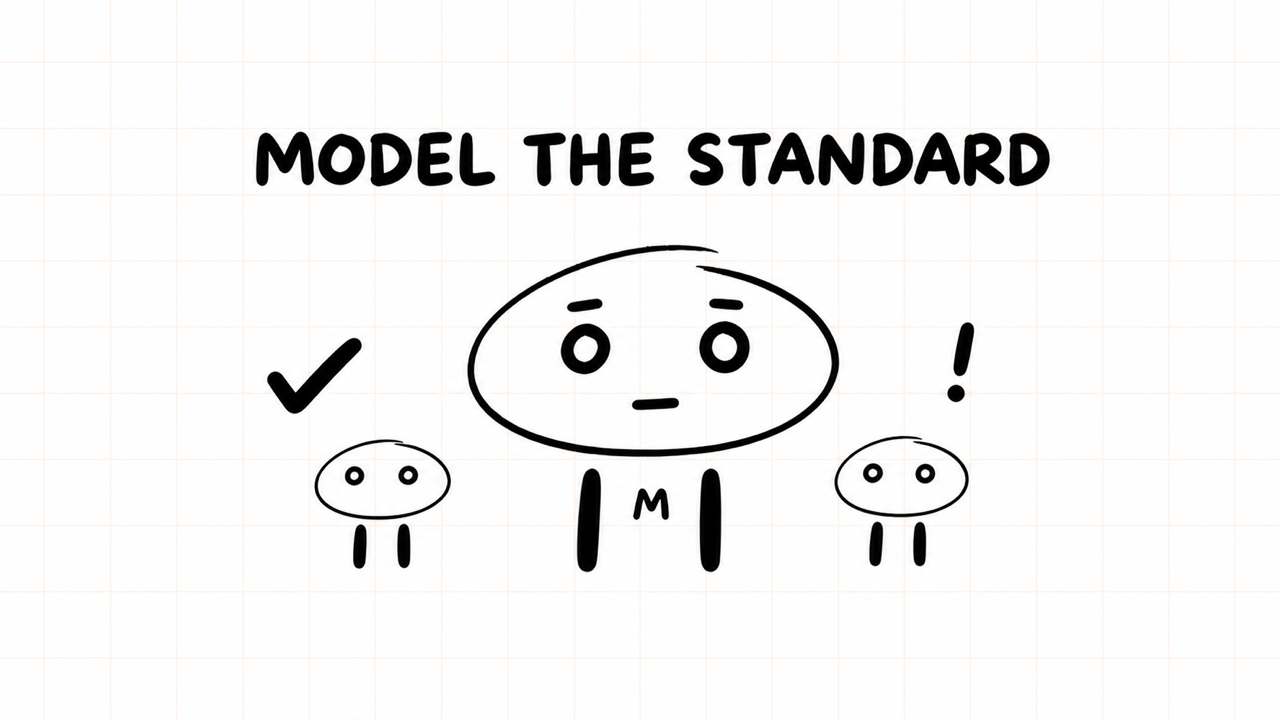
The team watches what a manager does when the pressure rises. If I expect punctuality, proper handwashing, respectful communication, and attention to cleanliness, those standards have to remain visible in my own behavior, especially when the shift is difficult.
Leading by example does not mean doing every task myself. My responsibility is still to position the team, monitor the restaurant, make decisions, and delegate effectively. It does mean being willing to support the operation when needed and following the same essential standards I ask others to follow.
What I do: I arrive prepared, maintain a calm tone, follow procedures, and step into a position when temporary support will help the team recover. I also acknowledge my own mistakes instead of asking others to ignore them.
6. Becoming difficult to approach
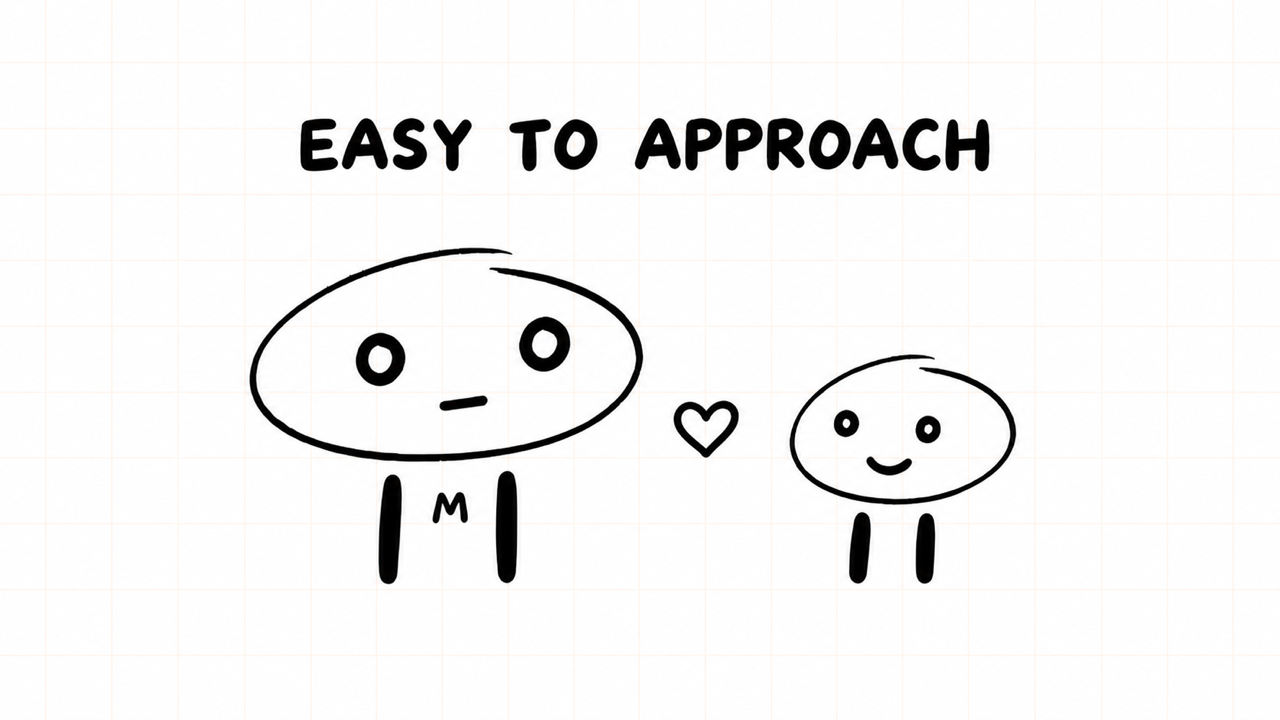
Would a crew member tell you immediately about a mistake, or wait because they are worried about your reaction? That answer matters. A delayed safety concern, scheduling problem, or conflict is usually harder to resolve than one raised early.
An approachable Shift Manager still needs to set boundaries and make difficult decisions. Approachability means listening without immediately becoming defensive and treating the person with respect, even when the conversation is uncomfortable.
What I do: I check in regularly, keep sensitive conversations private, and make it clear that safety concerns and serious problems should be raised immediately. When someone brings me an issue, I thank them for speaking up before we work through the facts.
Final thoughts
Avoiding these mistakes does not guarantee an easy shift. Equipment can fail, unexpected rushes happen, and people will sometimes disagree. Good management is not the absence of problems; it is the ability to respond consistently while protecting standards and team trust. When the issue is operational rather than interpersonal, the structured methods in my problem-solving guide for McDonald's managers can help you move from the visible symptom to the underlying cause.
Clear communication, meaningful recognition, fair decisions, openness to feedback, personal accountability, and approachability reinforce one another. When I practice them consistently, crew members know what to expect from me, and the restaurant is better prepared to serve every guest well.


