


I'm Alex. I started as a crew member, later worked as a Crew Trainer and Guest Experience Leader, and now work as a McDonald's Shift Manager with more than five years of management experience. I remember my first day as a Crew Trainer clearly. My manager explained that the way I taught would influence the habits of future crew members. That made the checklist feel much more important.
Crew Trainer is a leadership-development role and a common step toward management, but it is not itself a management position. The Shift Manager remains responsible for the shift, and Crew Trainers should work within the authority and training process established by their restaurant. If you want the personal story behind these lessons, start with my journey as a McDonald's Crew Trainer.
1. Understand the role
A Crew Trainer does more than demonstrate a register or production task. The role helps new crew members understand how procedures, safety, quality, service, and teamwork fit together. You are not only showing what to do; you are helping the trainee understand why it matters.
Typical responsibilities may include:
- Demonstrating approved procedures.
- Supervising practice during a training session.
- Reinforcing food safety and workplace safety requirements.
- Checking understanding.
- Giving constructive feedback.
- Recording progress where required.
- Reporting training needs to the Shift Manager.
- Modeling the expected attitude and work habits.
Crew Trainers should not create policy, conduct formal management discipline, or authorize work outside the restaurant's process.
2. Build the qualities of an effective trainer
Procedure knowledge
You need a reliable understanding of the station you are teaching. Review the approved material before the session, especially if the task includes safety-critical steps.
If you do not know an answer, verify it. Saying "Let's check the approved procedure" protects the trainee and demonstrates good judgment. Guessing may feel faster, but correcting incorrect training takes much longer.
Communication
Organize explanations into a clear sequence. Avoid giving every possible detail at once. State the purpose, demonstrate the main steps, and highlight the most important safety and quality points.
Patience and empathy
Trainees will not all learn at the same pace. A person who needs another demonstration is not necessarily unmotivated. Ask what part is unclear and adjust the explanation. Curiosity will make you a better trainer than impatience.
Leadership
Crew Trainers lead through example, consistency, and support rather than management authority. Apply the same standard to yourself that you teach to others.
Adaptability
The training plan may need to change when demand increases or when a trainee needs more practice. Adapt the timing or method without skipping required steps.
3. Prepare for the training session
Set an objective
Decide what the trainee should be able to understand or perform by the end of the session. A focused objective is more useful than "learn the whole station."
Examples include:
- Identify the station's main safety requirements.
- Complete the setup with guidance.
- Practice one order sequence accurately.
- Demonstrate the approved cleaning routine.
Organize the materials
Use the official training tools, job aids, checklists, and systems approved for the restaurant. Confirm that required equipment and supplies are available before beginning.
Choose an appropriate environment
Training should occur in the actual work setting when hands-on practice is needed, but detailed explanation is difficult during the busiest periods. Coordinate with the Shift Manager so the session has a realistic chance of success.
Plan the time
Allow time for explanation, demonstration, practice, questions, and feedback. If the session is interrupted, record where you stopped instead of pretending the full objective was completed. An honest partial session is better than an inaccurate completed checklist.
4. Demonstrate tasks effectively
Explain the purpose first
Trainees remember a step more easily when they understand why it matters. Connect the task to safety, quality, service, cleanliness, or communication.
Break the task into stages
Demonstrate at a pace the trainee can follow. Name each important step and avoid hiding actions that have become automatic for you.
Use approved visual aids
Diagrams, station guides, and on-screen instructions can support the demonstration when they are part of the approved training. Do not create unofficial guidance that contradicts the standard.
Move to supervised practice
After demonstrating, let the trainee perform the task. This can be the hardest moment for a new trainer. Observe closely enough to protect safety, but do not take over at the first hesitation. Give the person a reasonable chance to think and act.
5. Give useful feedback
Observe the process
Do not judge only the final result. A correct product reached through an unsafe or inconsistent process still requires correction.
Be specific
Instead of saying, "That was not right," identify the step:
The timer needs to begin immediately after this action. I will demonstrate it once more, and then you can repeat the sequence.
Separate the behavior from the person
Focus on the action and expected standard. Avoid labels such as careless, slow, or difficult.
Reinforce progress
Recognition helps the trainee understand what to repeat:
You followed the handwashing sequence correctly and prepared the station in the right order. Keep that same sequence on the next attempt.
Follow up
One successful attempt may not demonstrate consistency. Confirm what requires more practice and when the next check will occur. Progress is easier to build when both people know the next step.
6. Encourage teamwork
New crew members learn from the entire environment, not only the assigned trainer. Introduce the trainee to relevant team members and explain who can help with different questions.
Experienced crew members may offer useful support, but the Crew Trainer should make sure their guidance matches the approved procedure. If conflicting instructions appear, pause and verify with the Shift Manager.
Encourage questions by responding respectfully. A trainee who expects embarrassment may hide uncertainty and repeat an unsafe mistake. Make questions feel normal before you need someone to ask an urgent one.
7. Handle common challenges
A nervous trainee
Use smaller steps, explain what will happen next, and begin with supported practice. Avoid drawing attention to the person's nervousness in front of the team.
Different learning speeds
Adjust the amount of repetition and the explanation method. The required standard remains the same even when the path to it differs.
Peak-period interruption
Coordinate with the Shift Manager. The trainee may continue a safe, familiar part of the task with support, while detailed instruction is postponed until conditions allow.
Accuracy versus speed
Build the correct process first. Speed should improve through practice. Pressure to move faster should never encourage unsafe shortcuts.
A trainee who ignores a required step
Stop the task if safety or product integrity is affected. Explain the standard, demonstrate again, and notify the Shift Manager if the behavior continues or requires formal follow-up.
8. Track progress honestly
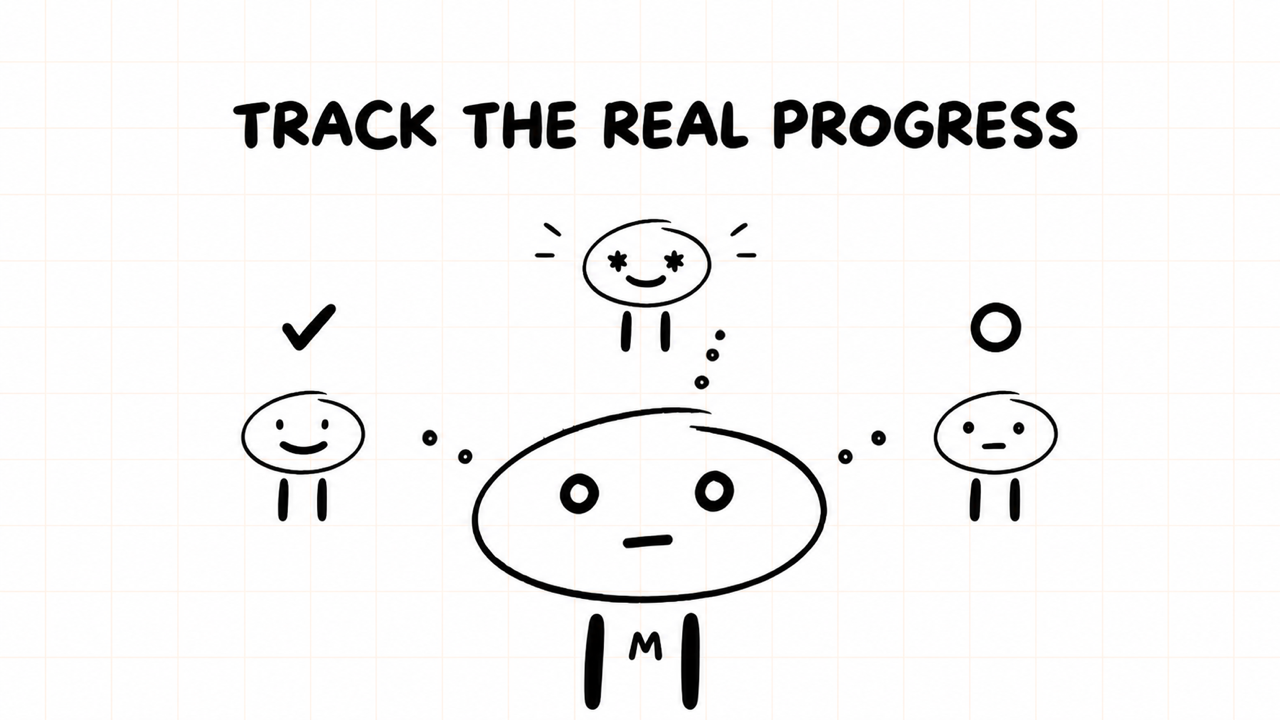
Use the restaurant's approved record rather than an informal system that may be lost or misunderstood. Documentation should distinguish among:
- Introduced or demonstrated.
- Practiced with support.
- Needs additional practice.
- Verified according to the restaurant's process.
A sample working record might include:
| Trainee | Station or skill | Current status | Next action |
|---|---|---|---|
| Sam | Fry station timer sequence | Practiced with support | Repeat during next scheduled session |
| Mia | Drive-thru communication | Developing confidence | Practice order confirmation with trainer |
| Leo | Front-counter custom orders | Needs review | Revisit approved custom-order process |
These names are examples only. Real training records should follow privacy and documentation requirements.
9. Develop your own leadership
Keep learning
Procedures, products, and systems can change. Review official updates and ask questions before training someone on a change.
Build emotional awareness
Pay attention to how the trainee responds. A person who is overwhelmed may need a clearer step or a short pause, not more information delivered more loudly.
Seek feedback
Ask your Shift Manager or other Crew Trainers for feedback on your demonstrations, pacing, and coaching. Keep the request within the Crew Trainer role and bring management decisions to the Shift Manager.
Think about long-term growth
Crew Trainer can prepare you for later opportunities, but promotion is not automatic. Focus first on performing the current responsibility well. If you are still preparing to earn the role, my Crew Trainer interview guide will help you develop examples and practice the STAR Method. In my own path, Crew Trainer was followed by Guest Experience Leader and eventually Shift Manager.
10. Quick reference table
| Challenge | Practical response |
|---|---|
| Nervous trainee | Explain the plan, use smaller steps, and provide calm encouragement |
| Trainee needs more repetition | Schedule additional supervised practice |
| Training area becomes too busy | Coordinate with the Shift Manager and protect essential safety instruction |
| Low engagement | Ask questions, connect the task to its purpose, and increase hands-on practice |
| Guest interaction is difficult | Coach listening and escalation within the trainee's role |
| Trainer is unsure | Pause and verify the approved procedure |
Final thoughts
Crew Trainers help shape the habits that new crew members carry into every future shift. That responsibility requires preparation, patience, accurate instruction, and honest follow-up.
The goal is not to complete a checklist as quickly as possible. It is to help the trainee understand the work, practice safely, and become increasingly independent while meeting the restaurant's standard. Slow down enough to teach well now, and the confidence will follow.
My experience as a Crew Trainer strengthened every role that followed. It taught me that good leadership begins with clear expectations and respect for the person learning. New Crew Trainers who practice those principles can make a lasting contribution to the restaurant team.


