


I'm Abdel, a McDonald's crew member. Moving from teammate to leader can change your relationships overnight, and what I have learned from the leaders I work alongside is that it usually takes time and care.
Roles and responsibilities may vary by market, franchise organization, and restaurant. This is general guidance, so please follow your restaurant's procedures and ask your own manager for support.
Why it feels so awkward
You know these people. You may have laughed together, complained about the same things, and covered for each other. Now you may have to give them direction and correct their mistakes.
Different people may react differently. Some will be happy for you. Some may be disappointed, particularly if they wanted the role too. Some may expect special treatment, and others may test you to see what you will do. All of this is common, and it does not mean that you were the wrong choice.
Acknowledge the change
Trying to act as if nothing has changed usually does not work. A short, honest conversation can help, either in a huddle or one on one:
I know this is a bit strange, since we've been working together for a long time. My role has changed, and I'll need to make some decisions that you may not always like. I'll try to be fair with everyone, and I want to hear from you if something isn't working.
Keep it simple. You do not need to give a big speech or tell people that you are now in charge. They already know.
If someone else wanted the role, you may want to speak to them privately:
I know that you were interested in this role too. I respect your experience, and I'd really value your help.
Be fair above all
Fairness will probably matter more than anything else you do. People will watch to see if you treat your friends differently:
| Situation | The fair approach |
|---|---|
| A friend is late | Handle it the same way you would for anyone else |
| Good shifts or positions | Decide based on needs and fair rules, not friendship |
| Praise | Share it with everybody who earns it |
| Breaks | Apply the same rules to all |
| Mistakes | Correct them privately and consistently |
It may help to ask yourself: "Would I do the same thing if this were someone I did not get along with?" If the answer is no, think again.
Handling friendships
You do not have to stop being friends with people. But some things may need to change:
- Gossip. You can no longer join in with complaints about managers or other team members.
- Private information. Do not share details about schedules, performance, or other people.
- Socializing. Be careful about who you spend your time with at work, so that others do not feel left out.
- Group chats. Think about what you post, and how it might look now.
- Favors. Do not make exceptions that you could not make for everyone.
You might say to a close friend:
Our friendship matters to me, but at work I have to treat everyone the same way. I hope you understand if I have to tell you something you don't want to hear.
Some friendships may become a little more distant for a while. That can be sad, and it is a real part of moving up. If a personal relationship could affect your decisions, talk to your manager.
Giving direction without changing who you are
Do not go too far in either direction. Some new leaders try too hard to stay liked, and they avoid hard conversations. Others overcorrect and become harsh. Neither of these approaches helps.
Try staying friendly but clear:
Hey, I need you back on the front counter now, please. We've got a line building up.
Explain why, when you can. People who know the reasons tend to feel more respected. Stay away from phrases such as "I'm the manager now." If you need to use your title to make your point, it may mean that something else has gone wrong. These tips on effective communication may help too.
When someone tests you
Someone might ignore your request, joke about your new role, or challenge you in front of others. Stay calm, and do not take the bait. If it is minor, a simple follow-up may be enough. If it continues, talk with them privately:
I noticed that when I asked you to move to drive-thru, you didn't respond. I want to work well with you, but I need us to communicate. What's going on?
Listen to what they say. Maybe there is a real issue behind it. If the behavior continues, or if it affects the team, follow your restaurant's process and involve your own manager. Remember that this is not about winning.
Earn respect through your actions
Respect does not come with your title. Over time, it comes from what you do:
- Help out when things get busy.
- Keep your promises.
- Admit your mistakes.
- Back up your team when they are treated badly.
- Recognize good work, fairly.
- Follow the same rules you ask others to follow.
Team members who have known you for a long time may have seen you at your best and worst. That can actually help you. They know that you understand their work. Use that knowledge by showing empathy, not by assuming that you know everything. This article about mistakes that new managers may make has more ideas.
Get your own support
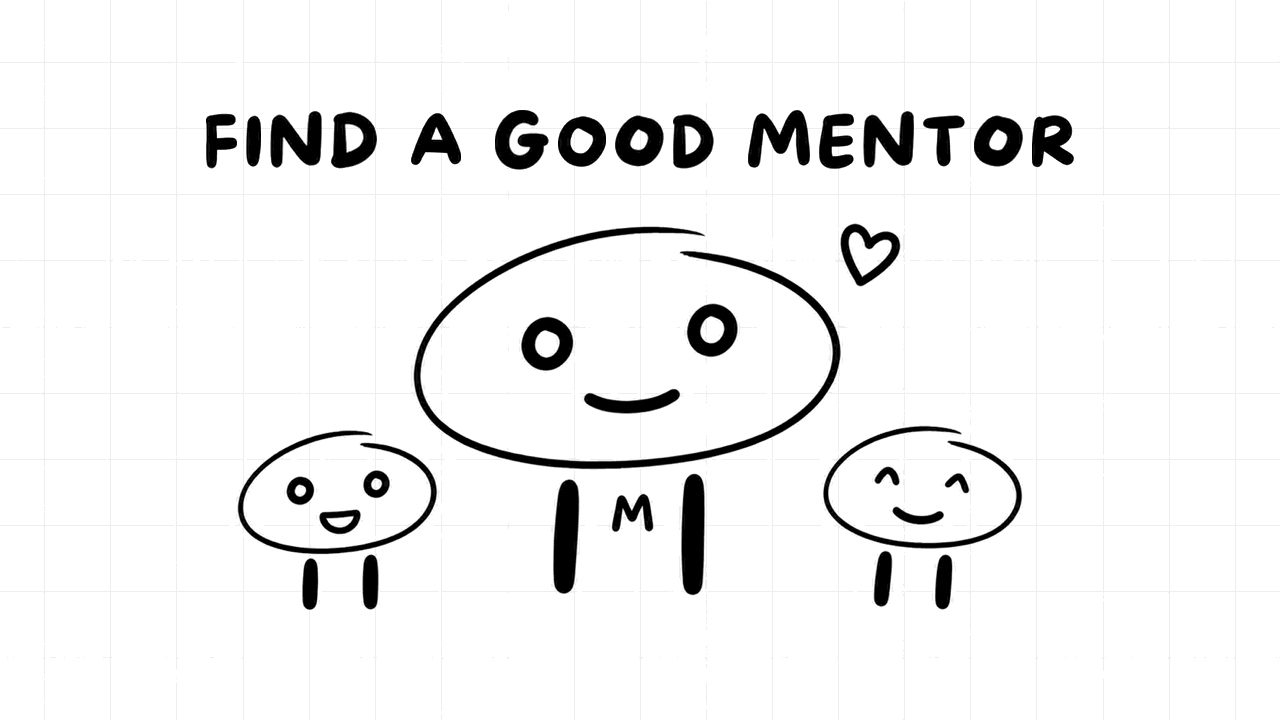
Leading former peers can feel lonely. You may lose some of the people you used to talk to. Find someone to talk with, such as another manager or a mentor who has gone through the same thing. Ask them how they handled it.
Be patient with yourself, and with your team. Relationships often settle after a few weeks, once people see how you lead.
When you do need to address a problem, this guide on having a difficult conversation may help.
This guide on building trust on a team with high turnover also has ideas that apply here.
Final thoughts
Leading people who used to be your peers is not easy, but it is possible to do it well. Acknowledge the change, be fair to everyone, keep friendships honest, stay calm when you are tested, and earn respect through what you do.
You do not have to become a different person. You just have to become the same person, with more responsibility.


