


I'm Abdel, a McDonald's crew member. Restaurants often see a lot of people come and go, and what I have learned from the leaders I work alongside is that trust can still be built, even when teams keep changing.
Staffing, training, and team practices may vary by market, franchise organization, and restaurant. This is general guidance. Follow your own procedures and ask your manager for support.
Why high turnover makes things hard
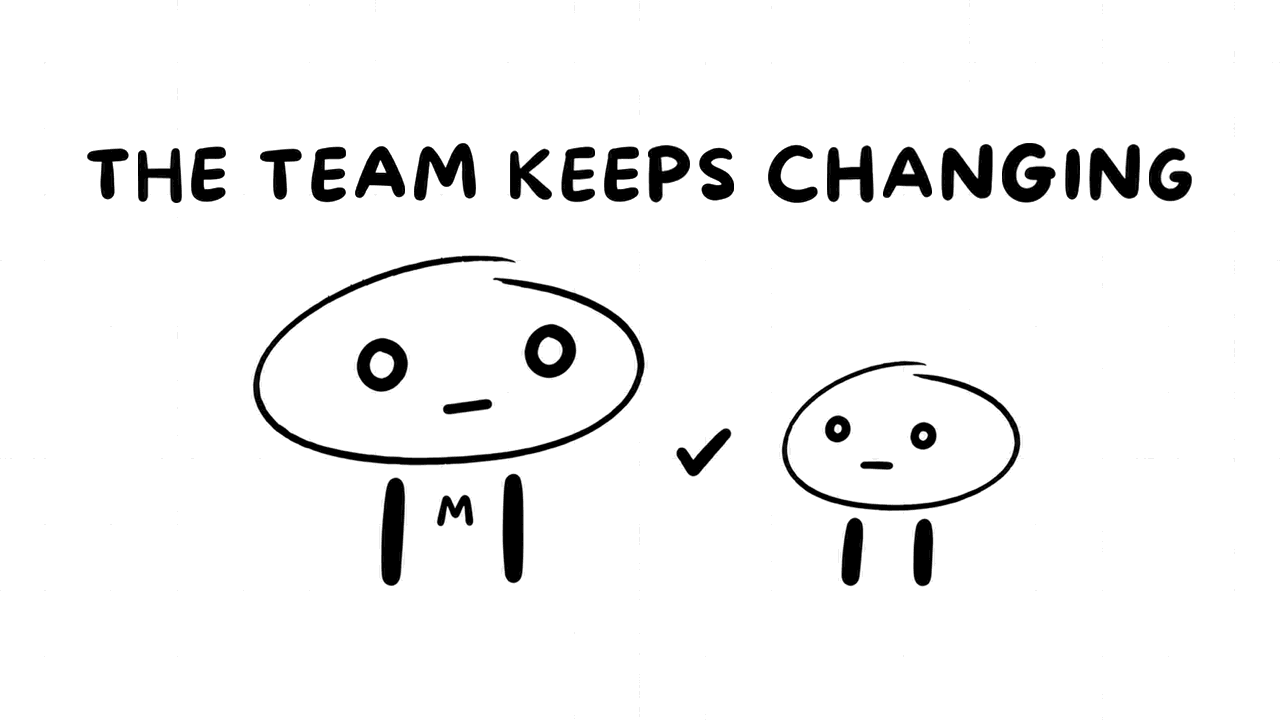
When people come and go, you may lose experience, relationships, and shared habits. New team members may not yet know who they can rely on. Experienced people can get tired of training others, especially if they feel that new people will simply leave anyway. You may also start to protect yourself by not investing in anyone.
These reactions are understandable. But trust does not always need years to grow. It can begin with small, reliable actions from your first day.
Build trust through consistency
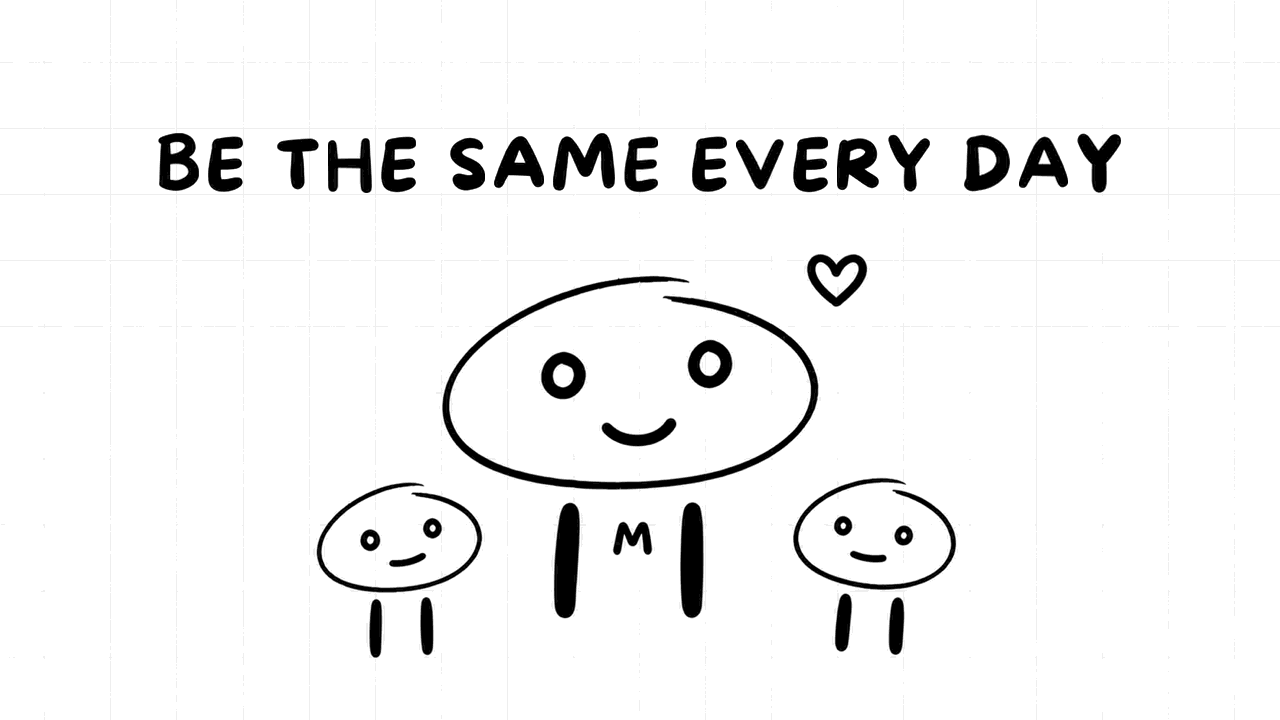
If people cannot predict how you will react, they will be careful around you. Try to be consistent in these ways:
- Keep the same standards on busy days and quiet days.
- Keep your mood steady, as much as you can.
- Follow the same rules you ask others to follow.
- Respond to similar situations in similar ways.
- Do what you say that you will do.
Small promises are powerful. If you say, "I'll check that schedule for you," then do it, and tell them what you found out. If you cannot keep a promise, tell them why. Being reliable can matter more than being perfect.
Create routines that survive turnover
If trust depends on one or two people, it can walk out the door with them. Strong routines can help keep things steady:
| Routine | Why it helps |
|---|---|
| Short pre-shift huddles | Everyone knows the plan |
| Clear training steps | New people learn the same way |
| Written handovers | Information does not leave with one person |
| Regular check-ins | People get a chance to raise issues early |
| Clear ways of asking for help | New team members know what to do |
| Shared expectations | Standards do not depend on who is working |
Keep these routines simple. Teams under pressure tend to drop complicated systems first.
Make new people feel they belong

It is easy to get tired of welcoming people. But each new person still deserves a real welcome. They do not know how many others came before them. Try to:
- Learn their name, and use it.
- Introduce them to the team.
- Pair them with someone patient.
- Check in during their first few weeks.
A strong start can help people stay. It may also make experienced team members feel that their efforts are worthwhile. These tips for Crew Trainers can help you with the training side.
Do not forget the people who stay

Longer-serving team members can quietly carry a lot of the load. They may keep training people, answering questions, and covering shifts, and that can wear them out. Show them that you notice:
- Thank them for specific things they do.
- Do not always give them the hardest jobs.
- Ask for their ideas, and take them seriously.
- Give them chances to learn and grow.
- Check in on how they are feeling.
If your most reliable people start to feel taken for granted, you may lose them too. Developing people through paths like Crew Trainer can help, if such roles are available.
Talk honestly
Trust grows when people believe what you say. Try to:
- Share what you can about changes, and why they are happening.
- Admit it when you do not know something.
- Admit when you have made a mistake.
- Avoid making promises about schedules or promotions that you cannot keep.
- Address rumors with facts, where you can.
When people leave, keep your comments respectful. Do not criticize them to the team. Others are watching, and they may wonder what you will say about them someday. This guide to effective communication offers more ideas.
Listen and act
Ask people what would make their work better, and listen to the answers:
What's one thing that would make your shift easier? I can't promise to fix everything, but I'd like to know.
Then, try to do something about it, and let them know what happened, even if the answer is no. If people feel that nothing changes, they will stop telling you anything. When people do leave, you might ask them what could have helped. This feedback, if your process allows, can be useful.
Look at the reasons people leave

Some turnover is natural. Students graduate, people move, and careers change. But some of it may be something you can influence. Look for patterns:
- Are many people leaving within their first few weeks? This could point to training or welcome issues.
- Do people leave after working with a particular person? This might mean there is a problem that needs attention.
- Are schedules causing problems?
- Are people feeling unsafe or disrespected?
Bring what you find to your Restaurant Manager. Serious concerns, such as harassment or unsafe behavior, should be handled through your proper procedures right away.
Be fair
Nothing breaks trust more quickly than unfairness. Be careful about who gets good shifts, praise, and chances to grow. Try not to treat newer people as less important, and do not assume they will leave. Make sure that people know how they could be considered for new opportunities, and that they know how to raise concerns.
Look after yourself
Constant change can be tiring for leaders as well. It can be discouraging to see someone leave after you have spent time helping them. Try to remember that your support may still have mattered to them, wherever they go next. Talk with other leaders, and take your breaks. These ideas for avoiding burnout can help.
Final thoughts
You probably cannot stop people from leaving, but you can make your team a place where trust grows quickly. Be consistent, keep your promises, build simple routines, welcome each new person, and take care of those who stay.
People may not stay forever. But they can still leave knowing that you treated them well, and the people who come after them will feel the difference.


