


I'm Alex. I started as a crew member, later worked as a Crew Trainer and Guest Experience Leader, and now work as a McDonald's Shift Manager with more than five years of management experience. On my first shift, I was trying so hard to remember every detail that I nearly stopped asking questions. Experience taught me the opposite lesson: good questions are part of learning the job well.
This guide is intentionally instructional. Restaurant procedures, uniforms, and onboarding steps can vary by market and location, so always follow the guidance provided by your manager and approved training materials.
Arrive ready and on time
Punctuality affects more than your own schedule. Managers position the team and plan breaks based on who is available. Arriving late can create an immediate gap for another crew member to cover. Starting calmly is much easier when you are not rushing through the door.
Confirm your start time, transportation plan, and arrival instructions in advance. Aim to arrive with enough time to store your belongings, prepare your uniform, and be ready to begin at the scheduled time. Do not clock in early unless your manager has authorized it.
Bring any items the restaurant asked you to have, such as your uniform pieces, name badge, required footwear, or onboarding documents. A small notebook may be useful if local policy allows it, but never use it in a food-preparation area or to record private information.
Follow the uniform and hygiene standards
Your restaurant will explain its approved uniform, grooming, footwear, and jewelry rules. Follow those instructions rather than relying on general advice from another location.
Common expectations may include:
- A clean, properly fitting uniform.
- Approved slip-resistant footwear.
- Clean hands and frequent handwashing at required times.
- Hair secured according to food safety rules.
- Short, clean nails that meet local requirements.
- Jewelry limited according to restaurant and food safety policy.
- A visible name badge if required by the location.
Ask if any part of the standard is unclear. Proper appearance is not only about presentation; it also supports food safety and workplace safety.
Bring a professional, positive attitude
You do not need to be highly outgoing to make a good impression. A calm greeting, respectful eye contact where culturally appropriate, and willingness to participate are enough. Quiet and prepared is better than loud and uncertain.
Positive attitude does not mean pretending that every task is easy. It means responding constructively when you receive an unfamiliar assignment, correction, or change in position.
Useful habits include:
- Greeting the manager and Crew Trainer when you arrive.
- Introducing yourself to nearby team members.
- Listening before beginning a task.
- Responding to feedback without arguing in the moment.
- Asking what you should do next when a task is complete.
Listen actively during training
Your first shifts may include a large amount of information. Focus on the current task rather than trying to memorize the whole restaurant at once. What is the one procedure you are practicing right now? Start there.
Watch the demonstration, listen to the explanation, and repeat the task with the trainer observing. If you are unsure, ask before guessing. A question asked early is usually easier to address than an incorrect habit repeated later.
Helpful questions include:
- "Could you show me that step again?"
- "What is the most important safety point in this procedure?"
- "How will I know when I can perform this task independently?"
- "Who should I ask if my Crew Trainer is helping someone else?"
- "Where can I find the approved procedure if I need a reminder?"
Learn names and roles
Learning names helps you communicate quickly and shows respect. It is equally important to learn who is responsible for what.
Your Crew Trainer supports your training, but that person is not a manager. The Shift Manager leads the current shift and should be involved in safety concerns, serious guest issues, or decisions outside the Crew Trainer's role.
When someone introduces themselves, repeat the name naturally and connect it to the role: "Nice to meet you, Jordan. You're the Crew Trainer working with me today, correct?"
Show initiative without exceeding your training
Managers value crew members who notice what needs attention, but initiative must remain safe. On a first shift, asking before acting is often the best judgment you can show. Do not operate equipment, prepare products, use chemicals, or perform a task you have not been trained and authorized to complete.
Good initiative includes:
- Asking for the next task.
- Restocking an area you have been trained to maintain.
- Offering support after confirming your own position is covered.
- Reporting a spill, equipment concern, or low product level promptly.
- Reviewing approved training material during designated training time.
The safest form of initiative is often asking, "I have completed this task. Where would you like me to help next?"
Respect procedures and standards
McDonald's restaurants depend on consistent procedures for food safety, quality, service, and cleanliness. Some steps may feel repetitive, but each has a purpose.
Pay close attention to handwashing, product labels, timers, temperatures, cleaning products, allergen-related guidance, and equipment safety. Procedures vary by station and market. If what you observe differs from your training, ask the Crew Trainer or Shift Manager for clarification.
Never take a shortcut because the restaurant is busy. Pressure is when safe habits matter most.
Adapt when the shift changes
Restaurant demand can change quickly. You may begin in one position and later be asked to support another position you have already been trained to perform. That change can feel stressful when you are new; my guide to managing pressure at McDonald's offers practical ways to reset, ask for help, and keep one priority in view.
When a change happens, listen for the new priority and confirm the handoff. If you have not been trained for the requested task, say so clearly. An honest reminder protects both you and the team.
For example:
I have not completed training on that station yet. Is there another task I can support, or can someone guide me?
That response is responsible, not unhelpful.
Communicate clearly and respectfully
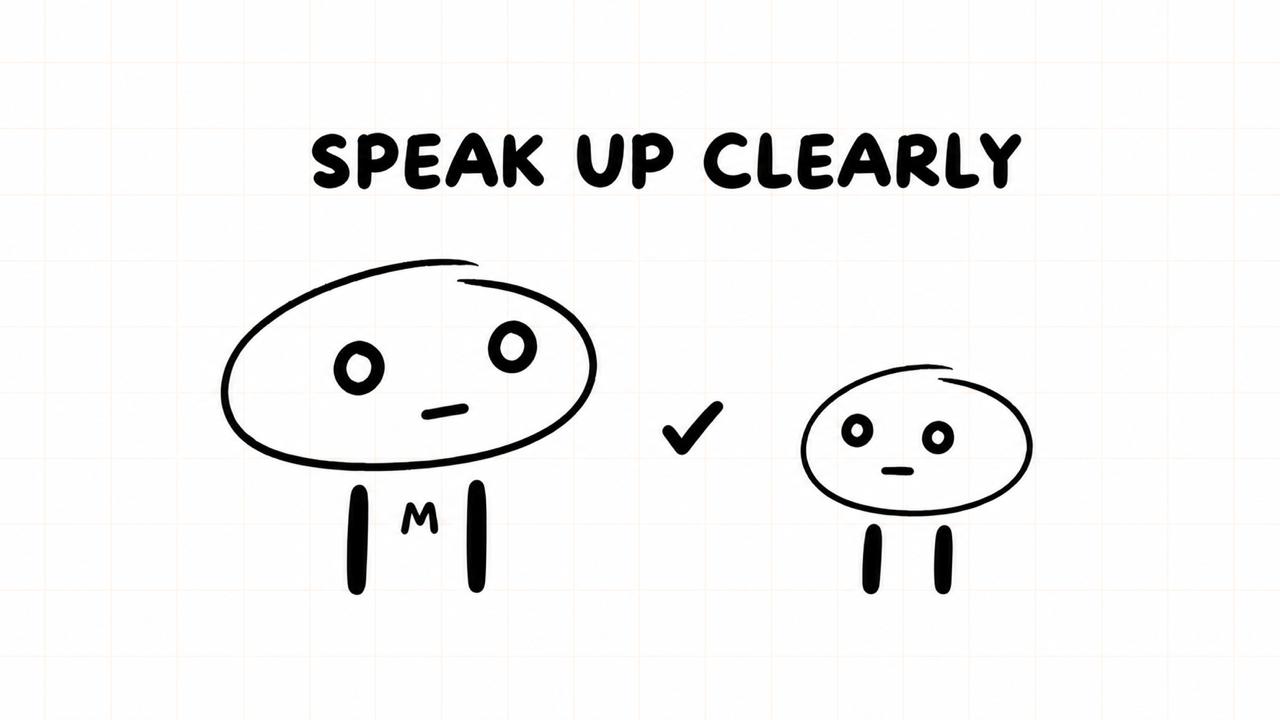
Use polite, direct language with guests and team members. During a busy period, brief communication is often best:
- "I need help confirming this order."
- "The floor is wet near the beverage station."
- "I have completed the restock. What is the next priority?"
- "I did not understand that instruction. Could you repeat it?"
If you make a mistake, report it promptly. Hiding an error can make it more difficult to correct.
Keep track of what you are learning
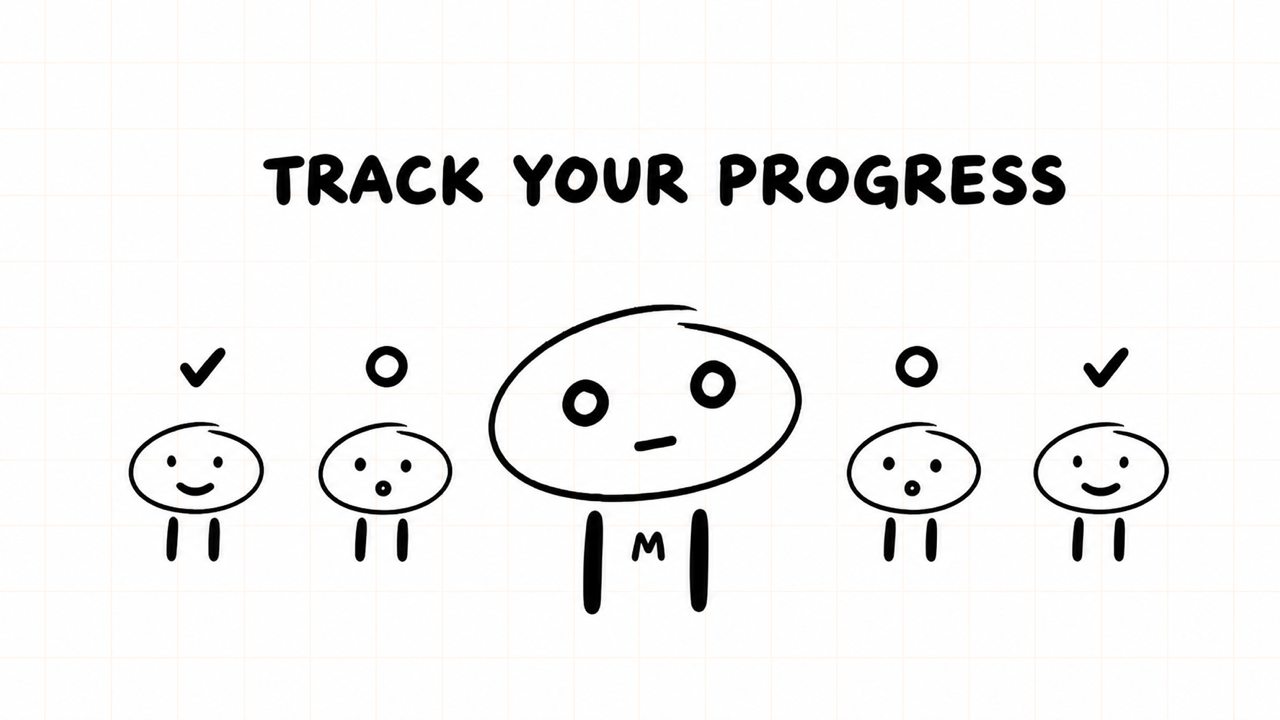
Your restaurant may use digital training, checklists, station verification, or other tools to track progress. Ask how your training is recorded and what you should review between sessions.
If personal notes are permitted, write only general reminders and store them away from food areas. Do not record private team, guest, sales, or security information.
Regular review will help you connect the steps you practiced with the purpose behind them.
Your first impression develops over time
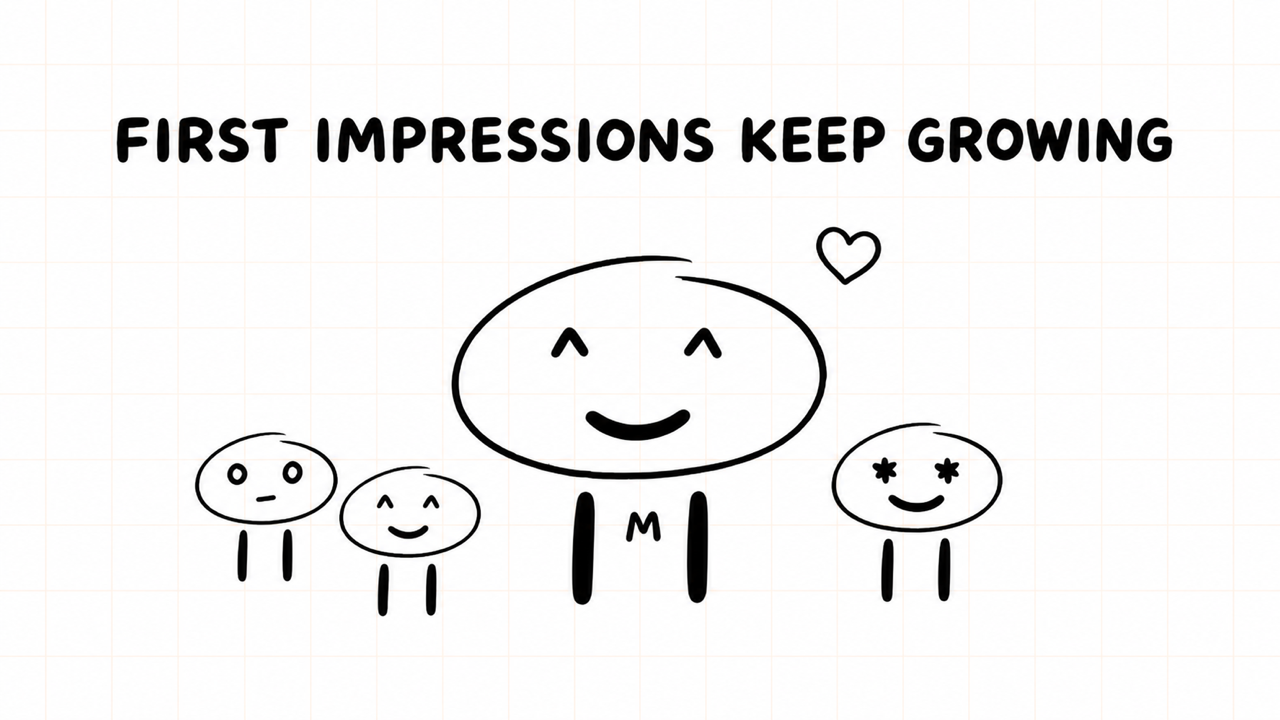
A first impression is not limited to the first five minutes. Managers and Crew Trainers pay attention to how you respond across your first days and weeks. One uncertain moment will not define you; the way you keep learning matters more.
You do not need to know everything immediately. A strong beginning means being dependable, following procedures, asking thoughtful questions, accepting coaching, and treating people with respect.
Those habits helped me progress from crew member to Crew Trainer, then Guest Experience Leader, and eventually Shift Manager. If training others becomes one of your future goals, these tips for new McDonald's Crew Trainers show what that next responsibility involves. For now, focus on learning your current role well. That is where every later opportunity begins.