


I'm Abdel, a McDonald's crew member. People learn at different speeds and in different ways, and what I have learned from the Crew Trainers I work alongside is that patience and flexibility go a long way.
Training materials, methods, and responsibilities may vary by market, franchise organization, and restaurant. Use your approved training materials. The ideas below are general ways to deliver them, and the standards themselves stay the same.
Same standard, different path
Adjusting how you teach does not mean changing what people must learn. Food safety steps, safety rules, and quality standards stay the same for everybody. What can change is how you explain them, how much practice you give, and how you check for understanding.
It helps to avoid labeling people as "fast" or "slow." Someone who struggles on the first day may become one of your most careful team members later.
Find out how they learn
You do not need a complicated test. Simply ask:
Have you worked in a restaurant before? Do you learn better by watching first, or by trying it yourself?
Then watch what actually helps them. People do not always know how they learn best, and most people benefit from a mix of approaches. Pay attention to when things seem to click.
Ways to teach the same task
Here are some approaches that you could mix and match, using only approved materials and procedures:
| What may help | How you might do it |
|---|---|
| Showing | Demonstrate slowly, and then at normal speed |
| Explaining | Say what you are doing and why, in simple words |
| Hands-on practice | Let them try early, with you close by |
| Written materials | Point out approved job aids, and let them review them |
| Breaking it down | Teach one step at a time, then link the steps |
| Repetition | Have them repeat the task until it feels natural |
| Asking questions | Ask "What comes next?" to help them think it through |
If one approach is not working, try another one. Saying the same thing louder rarely helps.
Check for real understanding
Many people will say "Yes, I understand," even if they do not, because they are embarrassed. Try these instead of asking "Do you understand?":
- "Can you show me how you would do that?"
- "What would you do if the timer went off now?"
- "Why do we do this step first?"
- "What would you do if you ran out of this?"
Watching them do the task is the best check of all. Check again later, too, because people may forget under pressure.
Supporting different learners
Here are some situations that you may meet, and ideas that may help:
- The nervous learner. Choose a calm time, stay nearby, praise small progress, and make it safe to ask questions.
- The confident learner. They may move too fast and skip steps. Explain why each step matters, and check their work carefully.
- The experienced person. They may have done things differently in another job. Respect their experience, while being clear about how things are done here.
- The person learning a new language. Speak clearly, avoid slang, use demonstrations, and check understanding by watching.
- The younger worker. This may be their first job, so explain basic expectations too. Follow any rules about tasks they are allowed to do.
- The older worker. Do not assume anything about their ability with technology or speed. Treat them with the same respect as anyone else.
If someone tells you about a disability or learning difference, listen, respect their privacy, and ask what helps. Speak to your manager about any support your restaurant can provide.
Pace matters
Giving too much at once is one of the most common training mistakes. It can help to:
- Focus on the most important steps first.
- Give them time to practice before you add another step.
- Avoid correcting five things at once. Choose the most important one, unless there is a safety issue.
- Plan for a rush. Practice at a calm time, then gradually add pressure.
- Revisit things over several shifts, not just once.
During a rush, you may have to focus on just keeping them safe and accurate, and leave the rest for later. These tips for Crew Trainers have more about managing time during training.
Giving feedback that fits
People also respond to feedback in different ways. Some like it straight, and others need more reassurance. Whichever approach you use, try to be:
- Specific. "Check the label first" is better than "Be careful."
- Private. Correct them away from guests and the team, unless it is urgent.
- Balanced. Tell them what they did well too.
- Respectful. Avoid sarcasm, and avoid comparing them to others.
You could ask: "How would you like me to tell you when something needs fixing?" Then respect their answer as far as you can, while still giving them honest information.
When someone is not improving
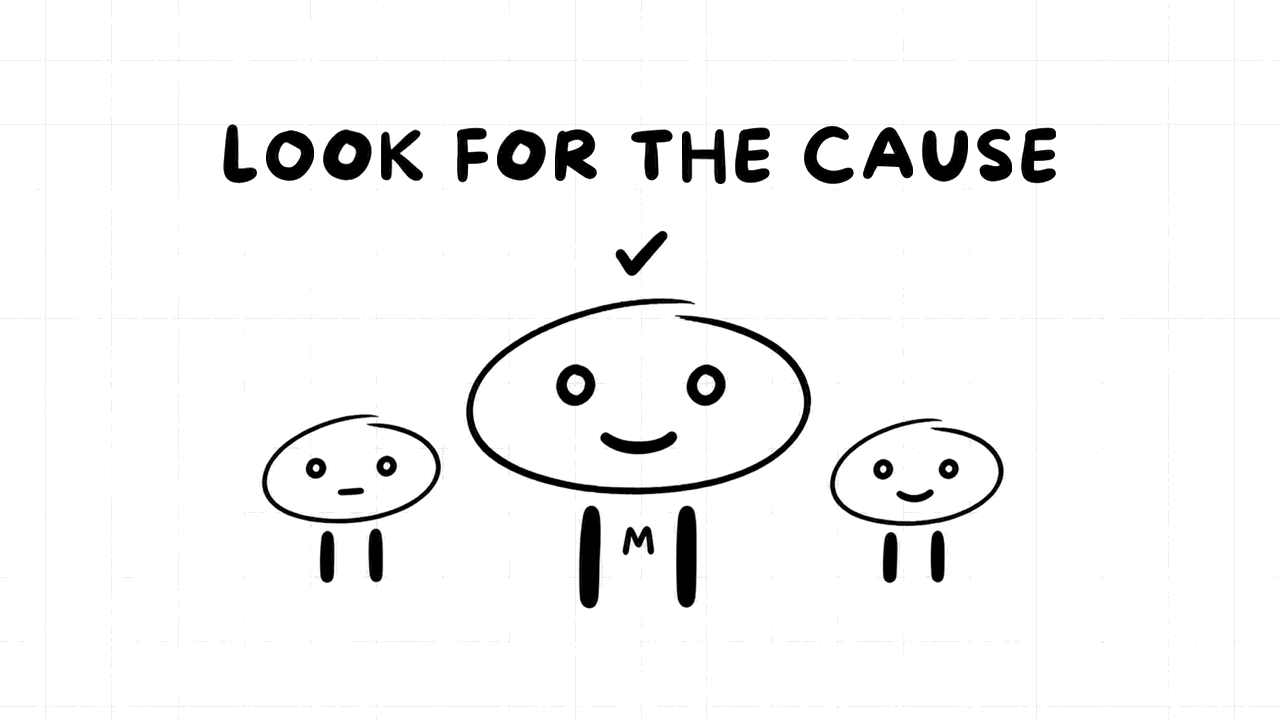
If someone is still struggling after real effort, try to find out why:
- Do they have enough practice time?
- Are they being moved around too much?
- Is something outside work affecting them?
- Are they afraid of the equipment?
- Are other team members making them nervous?
Talk with your manager, and share what you have tried. Do not share personal details unnecessarily. As a Crew Trainer, your job is to support learning, not to make decisions about discipline. These decisions belong with your managers.
Keep learning yourself
Good trainers keep improving. After a training session, ask yourself what worked and what you would change. Ask new team members for honest feedback:
Was there anything I explained that was confusing? What would have helped?
You can also watch other trainers and ask for tips. If you are thinking about this role, read more about what Crew Trainers do. Learning how to explain things clearly is also a skill that helps with cross-training, and it will be useful throughout your career.
Final thoughts
Your job as a Crew Trainer is not to teach one way and hope for the best. It is to help each person reach the same standard, by whichever route works for them. Ask, watch, adjust, check for understanding, and stay patient.
When a nervous team member finally gets it, you will know just how much it was worth.


